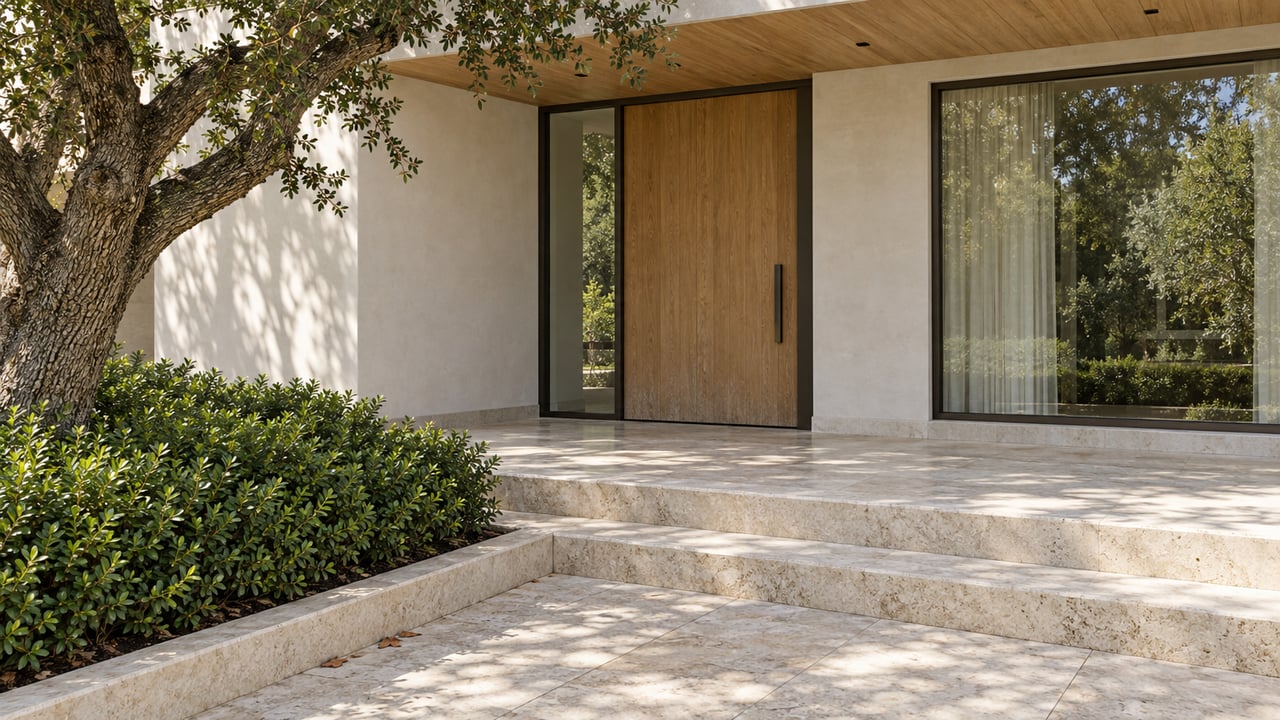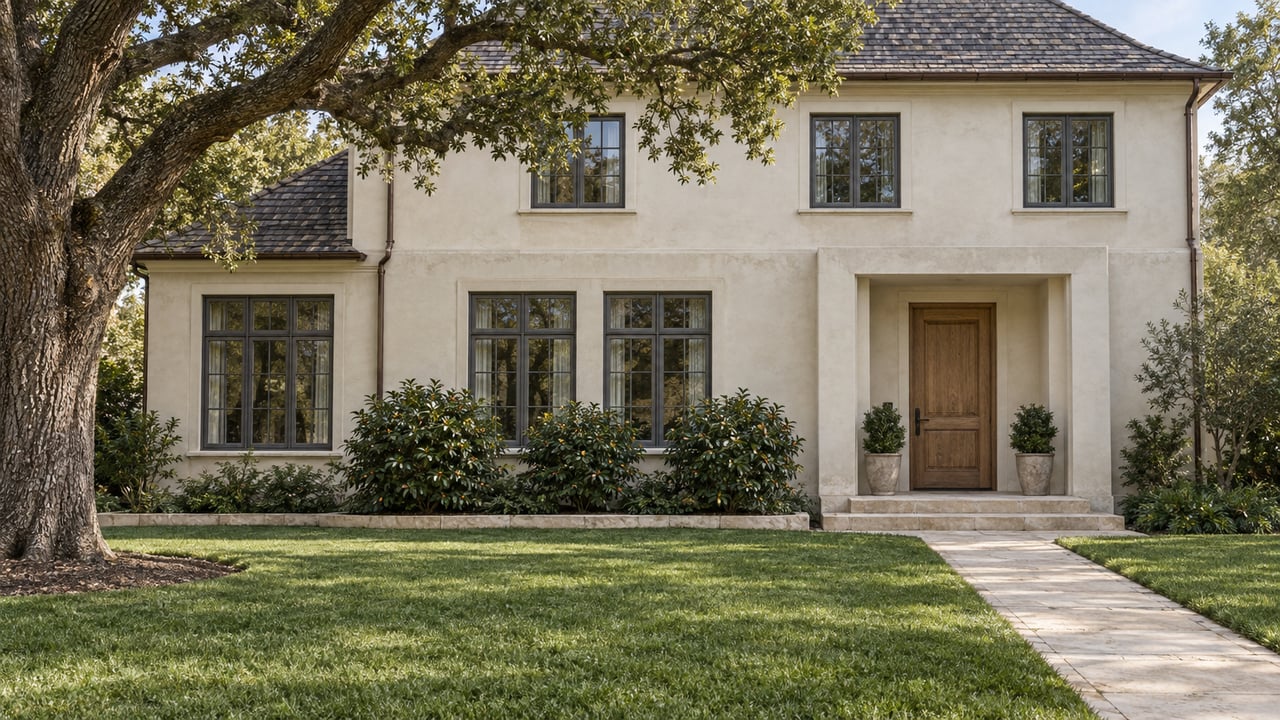
On July 20, a one-story 1947 rancher at 2001 Bryant Street in Old Palo Alto sold for $21.7 million. The house was 3,061 square feet and stood on a 31,744-square-foot lot, nearly three-quarters of an acre. According to Palo Alto Online, it was sold with conceptual plans for a custom home already drawn up. The house had a notable past. It was once home to Nicholas Clinch, the expedition leader who led the first ascent of Antarctica's Mount Vinson. The same report noted that the house is not designated historic.
Those two details, the drawn plans and the missing historic designation, explain this year's Old Palo Alto market better than the median does. The buyer was paying for land and for a clear route to building on it. Read the 2026 figures with that in mind and Palo Alto's most expensive neighborhood looks less like a fast-rising house market. It looks like a land market where the city's review process sets part of the price.
A Median Built From a Handful of Big Sales
From January through August 2026, Old Palo Alto's median sale price was $9.14 million, up 57.6% from $5.8 million in the same months of 2025. That comes from MLSListings data published by Palo Alto Online. In the same window, Palo Alto recorded 14 sales above $10 million, double the seven in early 2025. Old Palo Alto accounted for 10 of the 14. The neighborhood also closed fewer sales than it did a year earlier.
When a small neighborhood has fewer sales and more of them land at the very top, the median can move a long way without any particular house becoming worth 57% more. The figure mostly reflects which properties happened to sell. Citywide over the same eight months, Palo Alto's median rose a more modest 7.8%, to $4.125 million.
The type of buyer helps explain which properties sold. In a September piece on the Midpeninsula, Palo Alto Online reported that AI wealth is driving luxury demand, and that some buyers are spending $10 million or more largely for the land. In the paper's fall outlook, a Palo Alto buyer specialist said developers had re-entered the market and teardowns did very well over the summer.
Price the Dirt and Two Very Different Sales Line Up
Price per square foot of house is the usual way to compare homes, and in Old Palo Alto it gives a confusing answer. Here is 2001 Bryant next to a sale a few blocks away at 1800 Waverley Street, a 1928 house that recorded at $7.5 million in a deed batch covering Aug. 24 to Sept. 11.
| 2001 Bryant St. | 1800 Waverley St. | |
|---|---|---|
| Sale price | $21.7M | $7.5M |
| Year built | 1947 | 1928 |
| House size | 3,061 sq. ft. | 2,965 sq. ft. |
| Lot size | 31,744 sq. ft. | 9,600 sq. ft. |
| Price per sq. ft. of house | $7,114 | $2,530 |
| Price per sq. ft. of lot | about $685 | about $781 |
The two houses are almost the same size. By house square footage, one sold for nearly three times the other. By lot square footage, the two sales are close, and the smaller lot actually cost more per foot. Measured by land, the $21.7 million sale fits the same range as its neighbor. Palo Alto Online gives the price as $21.7 million in its text and $21,775,000 in its sales chart, and the lot-based figure is about the same either way.
Large lots are also scarce. The Bryant sales listing claimed that fewer than 30 residential lots larger than 30,000 square feet remain in the area. When a few lots like that change hands in one year, they can lift a neighborhood median on their own.
Land Is Worth What the City Lets You Build on It
If buyers are paying for land, they are really paying for what they can build on it. In Palo Alto, that depends on several layers of review, and a buyer may not see them until escrow is open.
The first layer is design. Under Municipal Code Section 18.12.110, Individual Review applies to R-1 projects that don't meet the city's objective standards for two-story homes. That covers a new two-story house, a new second story, and expanding an existing second story by more than 150 square feet. The city's planning forms page says this discretionary application must be filed before the building permit. The FY2027 fees took effect Aug. 17, 2026:
- $16,575 for a new two-story home or new second-story addition
- $8,507 for expanding an existing second story by more than 150 square feet
- $1,193 for an optional preliminary meeting with a planner and architect
- $1,293 for historic review of an Individual Review application
On a $20 million purchase these fees are small. The time and uncertainty matter more, especially once historic review comes into it.
The 45-Year Line Both Houses Have Crossed
The second layer is historic review, and it can apply even to houses that are not on any list. A City of Palo Alto historic resources bulletin says the city may require a Historic Resource Evaluation when two conditions are both met. A discretionary application proposes demolition, new construction, an addition or substantial exterior changes, and the existing building is more than 45 years old. Both houses in the table are well past that age, from 1947 and 1928.
How the review works depends on the property's group. Group A covers homes listed as Category 1 or 2 on the city's inventory, Category 3 or 4 homes in the Downtown Area, and homes in the Professorville and Ramona Street historic districts. Group A properties go through the Historic Preservation Ordinance. Category 3 and 4 homes outside downtown and those districts are Group B. They go to the Historic Resources Board only if CEQA review shows a possible impact. The city's Historic Registers page defines Category 2 as a "Major Building" of regional importance and Categories 3 and 4 as "Contributing Buildings."
Demolition has its own timeline. Under Chapter 16.49, a demolition application for a significant single-family building outside downtown is referred to the Historic Resources Board. No action is taken for 60 days after the application is complete, and the City Council can extend that period up to one year.
When the Category Decides the Deal
A recent recategorization on Bryant Street shows how much the category can matter. The 1914 house was described by the city's historic consultant as a rare Prairie-style example. A request came before the city to move it from Category 2 to Category 3. The Historic Resources Board voted 3-1 to keep it at Category 2. In December 2025, the City Council unanimously overruled that recommendation, according to Palo Alto Online. Planning Director Jonathan Lait told the council that the new category allows more flexibility for remodels and additions, including full demolition of the existing building.
This decision applies to one property and doesn't predict how any other house will be treated. It does show that what an Old Palo Alto lot can support depends on the inventory status of the house standing on it. A buyer paying for land is also taking on that risk. The Clinch house came to market with plans drawn and no historic designation, and that clarity was part of what the buyer paid for.
What the City's Own Documents Point To
The city's bulletin tells property owners and buyers where to start. For a specific property, it directs them to the Parcel Report on the city's website. A report can also be requested from Development Services at 265 Hamilton Avenue, (650) 329-2496. From there, the city's materials suggest an order of questions:
- Is the home on the Historic Inventory, and in which category?
- Does that make it Group A or Group B?
- Is the house more than 45 years old, which could trigger a Historic Resource Evaluation for a discretionary project?
- Would the planned house meet the two-story objective standards, or need Individual Review?
- Has the seller already done design work, and how far did it get?
Timing affects the answers as well. In a September outlook, Golden Gate Sotheby's agent Chris Iverson told Palo Alto Online that "many high-end sellers are holding off waiting for those buyers to become liquid and enter the market," meaning buyers expecting cash from coming AI company IPOs. If those sellers list, more large lots could come up for sale. Each one will carry its own inventory status and its own review path.
Frequently Asked Questions
Is Old Palo Alto's median a fair estimate of what a specific home is worth? Not on its own. The January to August 2026 median of $9.14 million came from fewer sales than the year before, with an unusual number above $10 million. Price per square foot of lot gives a closer comparison between recent sales.
Does every older house need historic review before it is rebuilt? No. The city's bulletin says an evaluation may be required when a discretionary application involves a building more than 45 years old. Group A and Group B properties follow different routes. Ordinary maintenance, interior work and landscaping typically do not require historic review.
Do MLS figures capture every high-end sale? Palo Alto Online notes that homes sold without an MLS listing may not appear in MLS data.
This post is general information about the market and the city's published rules, not legal, tax or financial advice. Before acting, confirm how these rules apply to a specific property with Palo Alto planning staff and your own attorney or architect.
If you are weighing an Old Palo Alto lot, whether to buy, sell or build on, Dana Rae Stone can help you review the inventory status, design history and timing questions before they affect your price. Let's talk about your home.