If your ideal day starts with a trail instead of traffic, Portola Valley stands out right away. This is a town where open space, quiet roads, and a rural setting shape daily life more than busy retail corridors or dense development. If you are exploring Peninsula lifestyle options, understanding how outdoor living works here can help you decide whether Portola Valley fits the way you want to live. Let’s take a closer look.
Portola Valley’s outdoor identity
Portola Valley describes itself as a small, wooded town west of Stanford University with about 4,500 residents. The town also highlights scenic roads, trails, open space, and natural views as key parts of its rural ambiance.
That identity is not accidental. Official town materials note that residents have helped preserve about 1,900 acres within town boundaries, including Portola Valley Ranch and major open-space acquisitions such as Windy Hill and Spring Down. The result is a setting where the landscape feels central to everyday life, not secondary to it.
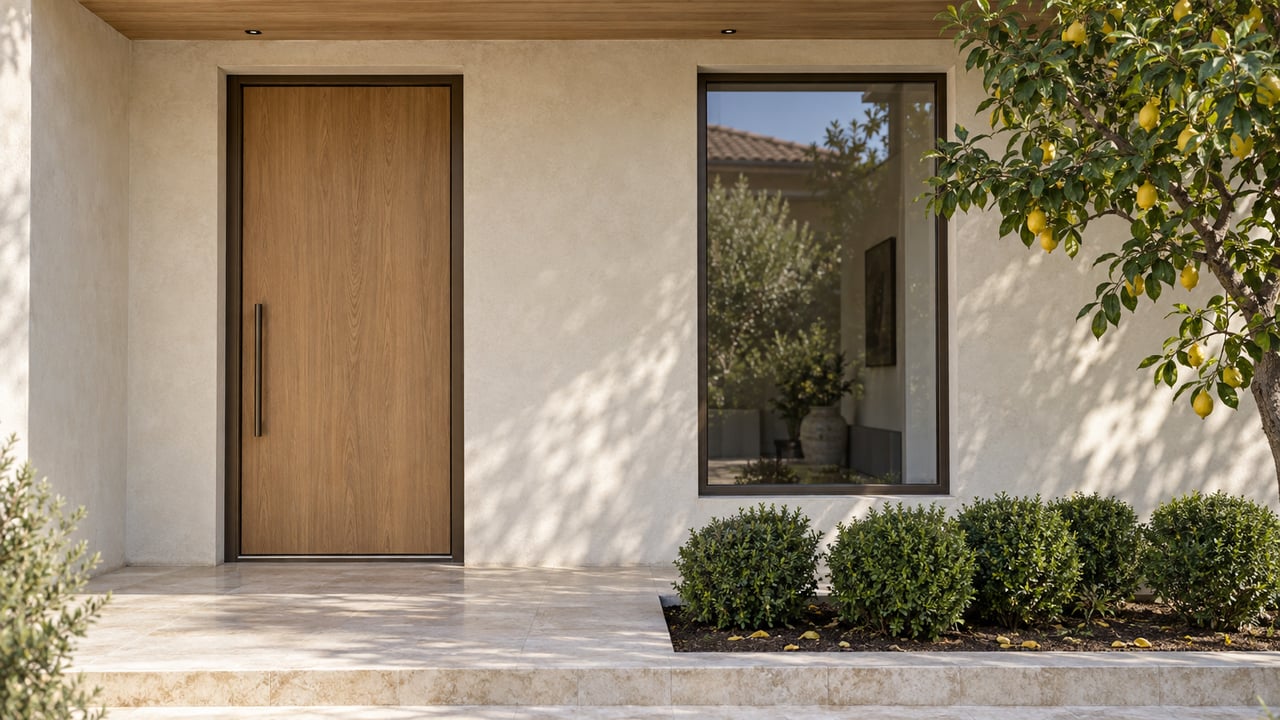
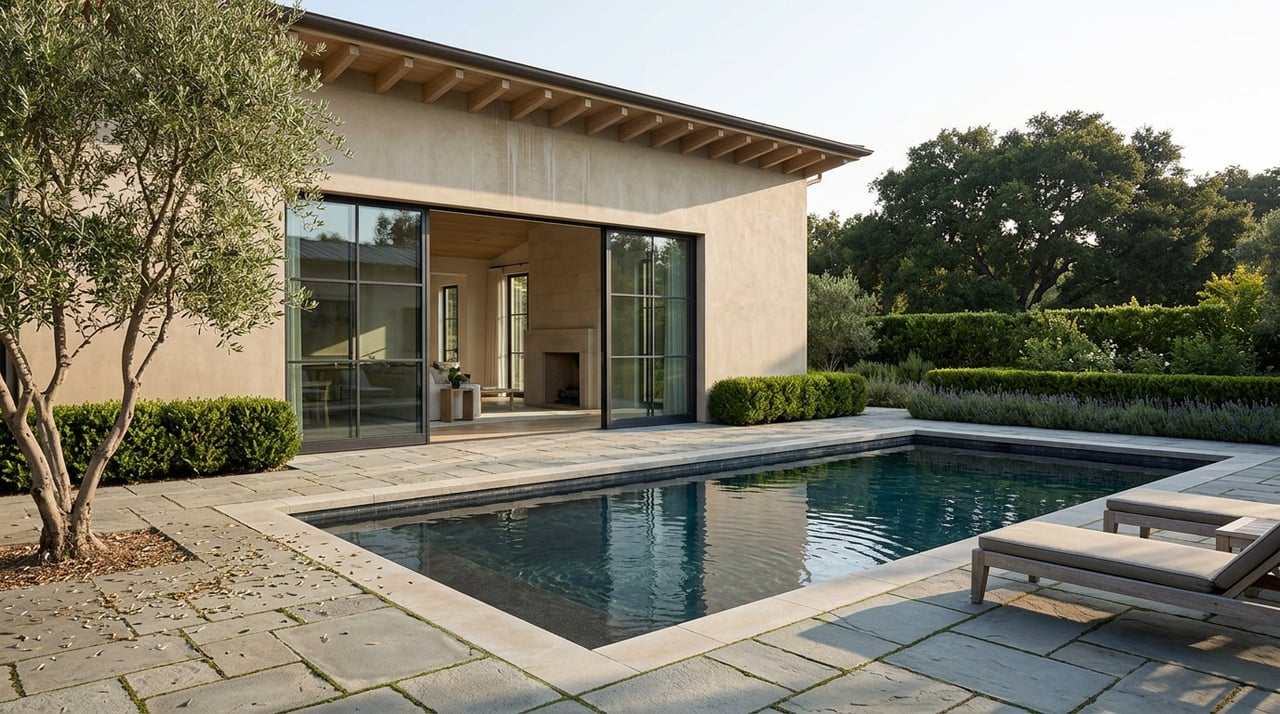
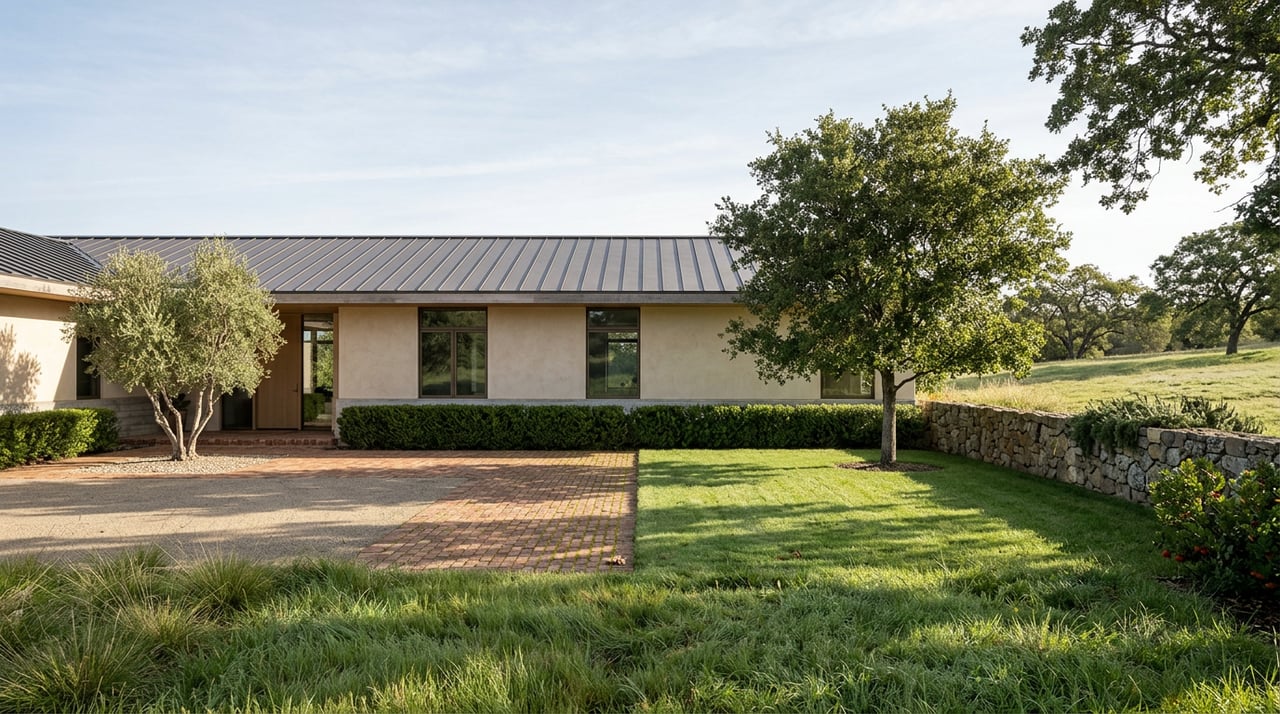
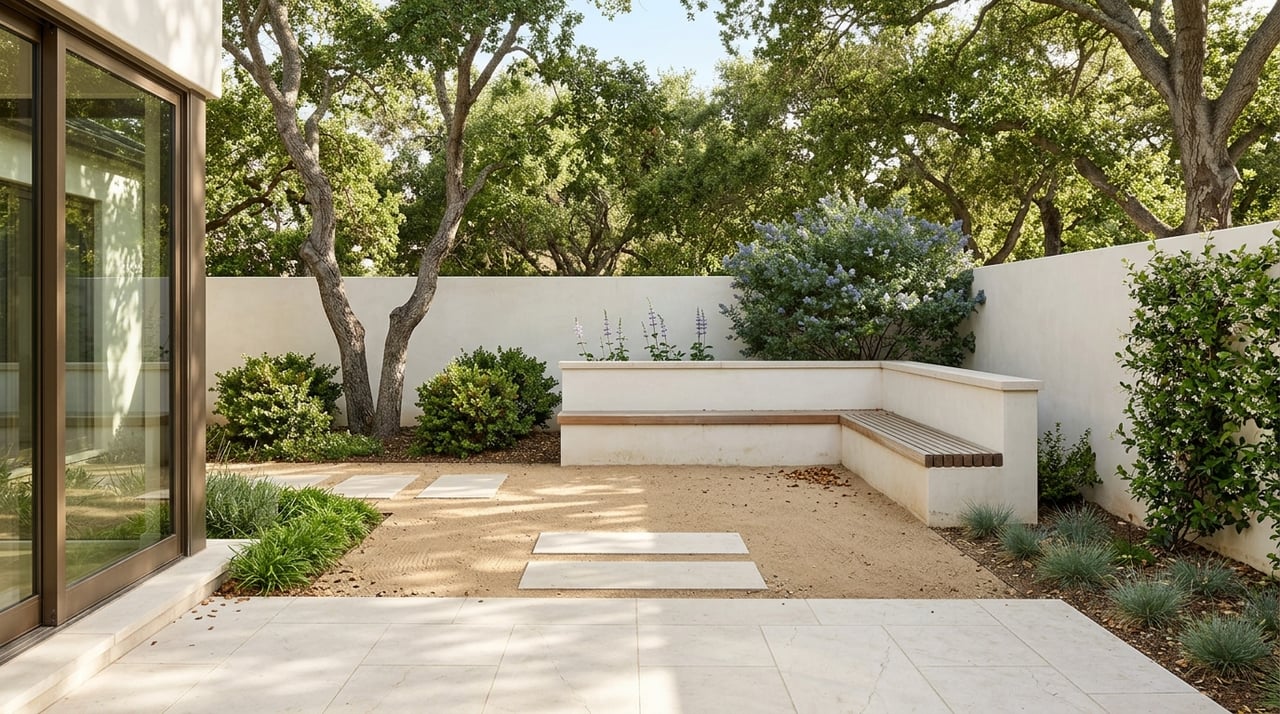
For you as a buyer, that often means outdoor access is woven into the experience of living here. The town’s architectural guidance also emphasizes blending in, which helps explain why many homes and built spaces feel understated and closely tied to the surrounding terrain.
Trails shape everyday routines
One of the clearest signs of Portola Valley’s outdoor focus is its trail network. The town says it has nearly the same number of trail miles as road miles, which is unusual and speaks to how deeply trails are integrated into local life.
These are not just destination hikes for weekends. The town trail system includes pedestrian, bicycle, and equestrian routes, along with seasonal or conditional closures, so trails function as a regular part of how many residents move through and enjoy the area.
If you value an active routine, that matters. In Portola Valley, outdoor time can feel less like a planned outing and more like a natural extension of the day.
Windy Hill is a signature destination
Windy Hill Preserve is one of the best-known outdoor landmarks connected to Portola Valley. Midpen describes it as a 1,414-acre preserve with 13.6 miles of trail, including open grassland ridges and forests of redwood, fir, and oak.
The preserve offers a range of experiences. The 0.6-mile Anniversary Trail is known for broad views, while the 7.2-mile Windy Hill Loop links Spring Ridge, Lost Trail, and Hamm’s Gulch for a longer outing. Overflow parking is available at the Town Center about 0.4 miles away, which also shows how civic life and trail access intersect here.
Coal Mine Ridge offers a neighborhood-scale experience
Coal Mine Ridge Nature Preserve brings a more intimate trail setting. The preserve covers 235 acres, and the town-maintained trail system includes the historic Old Spanish Trail and the gentler Toyon Trail.
According to the preserve, Toyon Trail was designed to wind through trees and provide multiple vistas. For you, this means Portola Valley’s outdoor options are not limited to big regional preserves. There are also quieter, closer-in routes that support a more everyday connection to nature.
Los Trancos adds variety
Los Trancos Open Space Preserve offers another kind of outdoor experience. Midpen says the 274-acre preserve has 6 miles of trail, including the 1.5-mile Nonette Hanko San Andreas Fault Trail, a self-guided route focused on earthquake geology.
The preserve allows hiking and designated equestrian use, but bicycles are not permitted. That mix of access rules and trail character is worth knowing if you are comparing lifestyle fit across neighborhoods and nearby open-space areas.
Equestrian living is part of the landscape
In Portola Valley, horseback riding is not a novelty. It remains a visible part of local life and helps define the town’s semi-rural character.
Windy Hill allows equestrians on designated trails, and Midpen asks hikers and bikers to yield to horses. The preserve also provides trailer and bus parking at the Spring Down Equestrian Center driveway through the town, which shows that equestrian use is built into the area’s infrastructure.
Spring Down Equestrian Center on Portola Road offers riding lessons, boarding, training, and trail access around Portola Valley and Windy Hill. Another local operation, Cossentine Equestrian on Ansel Lane, coaches hunter, jumper, and equitation riders.
The town’s annual calendar also includes a Horse Fair in May. Taken together, these details show that equestrian culture is not just historical background. It remains part of the rhythm and identity of the community.
Civic life stays close to nature
Portola Valley’s outdoor focus does not mean you give up community connection. It simply takes a different form than you might find in a more commercial town center.
The Town Center is the main civic hub and opened in 2008. It includes a county library, Community Hall, playing fields, Town Hall, and the historic Schoolhouse, which still hosts council and committee meetings.
The Parks & Recreation department describes the Town Center as a hub of activity for people of all ages. In practical terms, that gives residents a central gathering place without changing the town’s quieter, open-space-oriented feel.
Events create connection
Community life here is often organized around recurring local events rather than large shopping or entertainment districts. Town materials list hikes, picnics, music recitals, art exhibits, speakers’ evenings, book signings, and theater performances sponsored by volunteer committees.
Annual town-sponsored events include the Town Picnic, Summer Concert Series, Volunteer Appreciation Party, Farmers Market, Community Trail Walk, and Horse Fair. The Farmers Market is held every Thursday in the Schoolhouse Parking Lot.
For many buyers, this is an important part of the Portola Valley lifestyle. The sense of place comes less from commercial bustle and more from civic traditions, shared outdoor spaces, and smaller-scale community gatherings.
Rural character shows up in daily details
Portola Valley’s appeal is not only about where you can hike. It is also about the quieter qualities that shape how the town feels day to day.
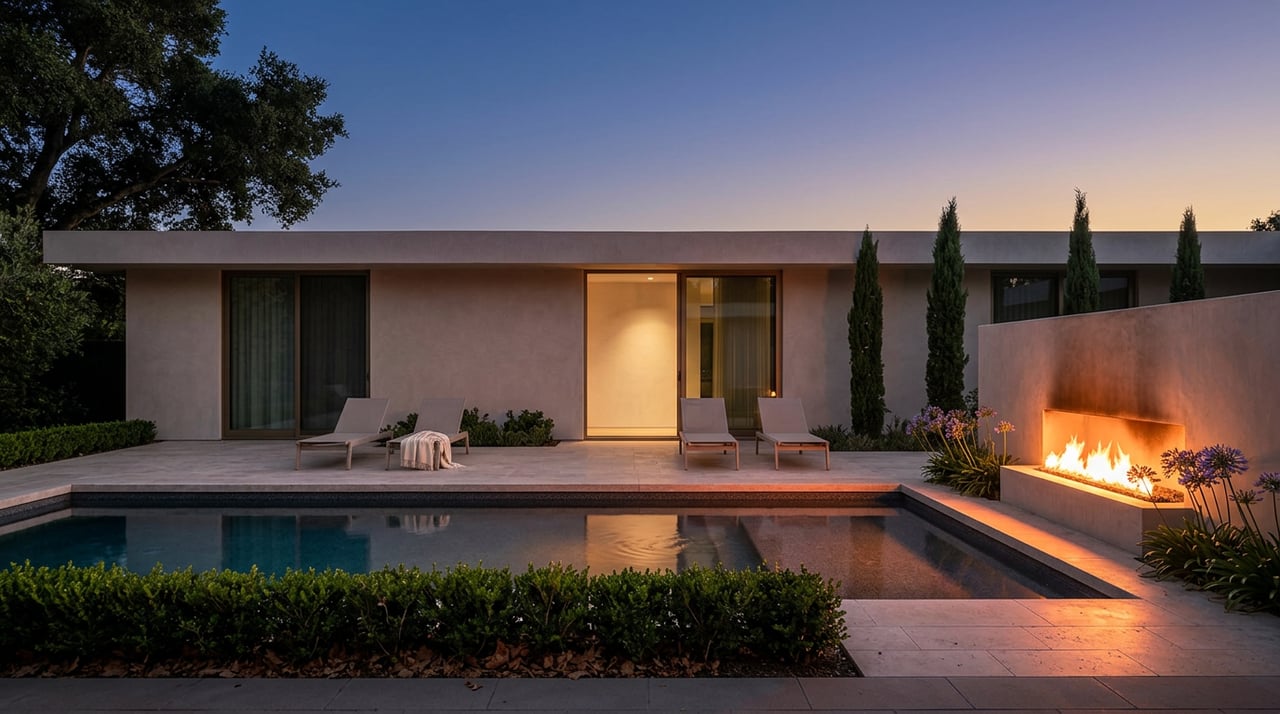
The town actively protects its dark-sky and rural setting. Official materials say excessive exterior lighting can make a community feel more urban, so Portola Valley uses a minimal lighting approach, prohibits street lighting on town roads, and regulates outdoor lighting to preserve rural character.
That policy can make the environment feel calmer and less visually busy at night. If you are drawn to a more natural atmosphere, this is one of the details that helps distinguish Portola Valley from more built-up Peninsula communities.
Outdoor living here comes with stewardship
A Portola Valley lifestyle is beautiful, but it is also grounded in realism about the land. The outdoor setting is more natural and less manicured than a conventional suburban park system.
The town’s trail map notes that some Westridge trails are natural-surface, rocky, uneven, steep, and subject to unexpected hazards. Midpen also says its preserves are generally kept in natural condition with only the amenities needed for low-intensity recreation.
The town’s General Plan addresses geologic and fire hazards as well. For you as a buyer, that means outdoor living in Portola Valley is closely tied to stewardship, awareness, and respect for the landscape.
What this means for buyers
If you are considering Portola Valley, the outdoor lifestyle here is best understood as immersive rather than decorative. Trails, open space, horses, scenic roads, and natural views are not occasional perks. They are a meaningful part of the town’s daily experience.
That can be especially appealing if you want a home base that feels quiet, nature-forward, and closely connected to the land. It may also suit you if you value architecture and residential settings that sit more gently within the landscape.
At the same time, Portola Valley asks you to appreciate a less urban pattern of life. Community gathering places are more civic than commercial, amenities are more natural than polished, and the town’s character depends in part on shared respect for its rural setting.
For the right buyer, that combination is exactly the point. Portola Valley offers a Peninsula lifestyle shaped by open space first.
If you are considering buying or selling in Portola Valley and want clear, thoughtful guidance on how lifestyle, property character, and market strategy come together, Dana Rae Stone can help you navigate the process with a calm, informed approach.
FAQs
What makes outdoor living in Portola Valley different from other Peninsula towns?
- Portola Valley centers daily life around trails, open space, scenic roads, quiet residential surroundings, and a rural ambiance supported by town planning and preservation.
What are the main trail and open-space areas in Portola Valley?
- Key outdoor destinations include Windy Hill Preserve, Coal Mine Ridge Nature Preserve, and nearby Los Trancos Open Space Preserve, each offering a different trail experience.
Is equestrian living part of the Portola Valley lifestyle?
- Yes. Designated equestrian trails, Spring Down Equestrian Center, local riding instruction, and events like the town’s Horse Fair all reflect an active equestrian presence.
What is the Town Center like in Portola Valley?
- The Town Center is the main civic hub and includes a county library, Community Hall, playing fields, Town Hall, and the historic Schoolhouse.
What should buyers know about Portola Valley’s natural setting?
- Buyers should know that some trails are rocky, uneven, steep, and natural-surface, and that the town also plans around geologic and fire hazards as part of responsible land stewardship.
How does Portola Valley preserve its rural character?
- The town preserves its rural feel through open-space conservation, architecture that emphasizes blending in, and policies such as minimal exterior lighting and no street lighting on town roads.