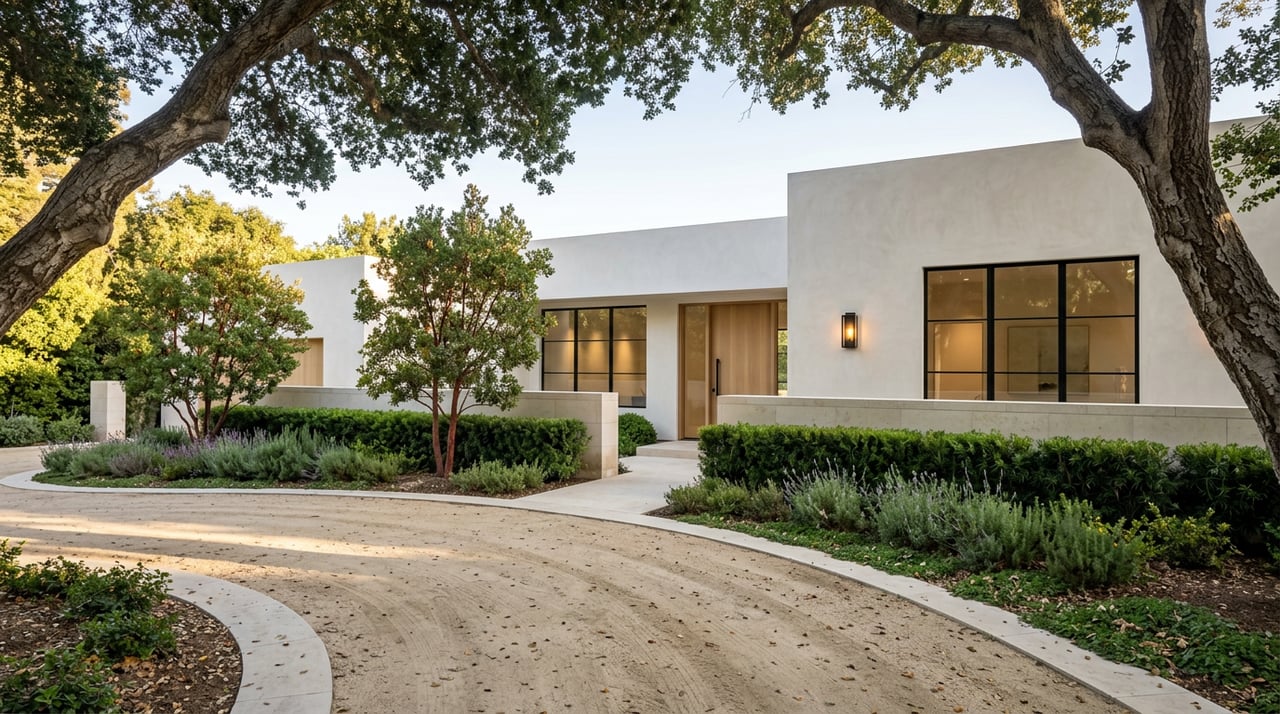
Craving more space, fewer neighbors, and sunset views over the Valley? In Los Altos Hills, that is the norm thanks to one-acre zoning, a no-commercial policy, and miles of pathways across about 9 square miles. With a population of 8,489 and roughly 940 people per square mile, you feel the difference the moment you turn up a quiet country lane. This guide shows how the town’s rules and terrain shape daily life, costs, and what to check before you buy. Let’s dive in.
What makes Los Altos Hills different
One-acre zoning and estate scale
The town requires a net one-acre minimum for new parcels, which is the foundation for its low-density, estate feel. That rule, combined with development formulas that scale buildable area with slope, limits size and site coverage to protect open space and views. If you plan to expand or build, expect a design process that evaluates slope, setbacks, and view impacts before you finalize square footage. You can review the minimum parcel size and development standards in the Town’s Municipal Code.
No commercial uses inside town
Los Altos Hills does not allow commercial or industrial uses within town limits. The planning framework is intentionally residential and open-space oriented, which keeps streets calm and preserves the quiet, rural atmosphere. Daily errands usually happen in nearby Los Altos, Palo Alto, or Mountain View. The no-commercial policy is detailed in the Town’s General Plan Land Use Element.
Pathways and equestrian culture
A well-used pathway network supports walking, running, and horseback riding. Private stables are a permitted accessory use when acreage and setbacks allow, which adds to the semi-rural character. If horses are part of your wish list, verify stable allowances, manure management, and any pathway easements on the lot. The permitted uses for the Residential-Agricultural district are listed in the Municipal Code.
The day-to-day tradeoffs
Commute and connectivity
There is no Caltrain station in Los Altos Hills. The nearest stations are Palo Alto and Mountain View, so most residents drive to rail or commute by car using I-280, Foothill Expressway, and local arterials. Regional rail station info is available on the Caltrain station list. Census data shows the mean travel time to work in the mid to high 20 minutes range, though actual time varies with address and traffic; see the U.S. Census QuickFacts.
Utilities and on-site systems
Water in Los Altos Hills is supplied by Purissima Hills Water District and California Water Service. On estate lots, irrigation is often a significant portion of water use, so plan landscaping accordingly. Less than half of parcels connect to municipal sewer, which means many homes rely on septic systems. Town guidance prefers sewer connections when a trunk main is within about 200 feet, so confirm whether a property is on sewer or septic and what it would take to connect; these utility details are outlined in the General Plan Land Use Element.
Here is a quick buyer checklist for utilities:
- Verify water supplier and recent usage patterns, especially irrigation.
- Confirm sewer vs septic and request recent septic inspection reports.
- Ask about any reimbursement or assessment programs for future sewer extension.
Roads, driveways, and access
Many streets are two-lane, winding country roads with limited shoulders. Driveways can be long or steep, which affects construction logistics, grading, and fire access. The Town’s site development standards address driveway design, turnarounds, and view and ridgeline protections, so factor those into remodel and new-build planning. Review the site development and design sections in the Municipal Code before you engage an architect.
Wildfire readiness and insurance planning
Wildfire is a primary local hazard, and many roads are narrow, which can slow evacuations. Most owners invest early in preparedness, sign up for alerts, and maintain defensible space. The Town’s emergency pages include evacuation planning and readiness steps, which are valuable to review as you evaluate any property. Start with the Town’s Wildfire and Evacuation Guidance.
Hazard maps are being updated, and local ordinances may adjust as designations change. Your property’s exact hazard zone can influence defensible-space rules and building requirements, so confirm the current map for any address. You can monitor changes on the Town’s Wildfire Hazard Severity Zone Maps page. The Los Altos Hills County Fire District also offers a Home Ignition Zone assessment plus rebates that can offset mitigation costs; explore the HIZ program.
Home types and lifestyle features
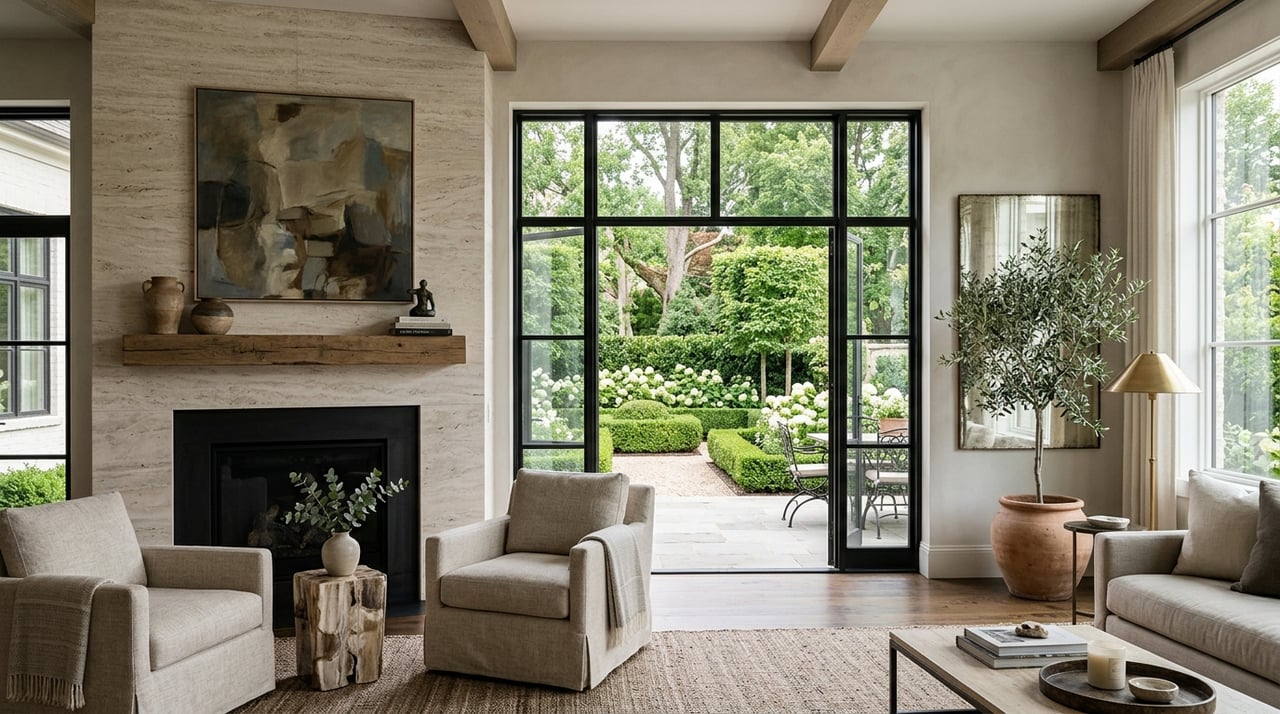
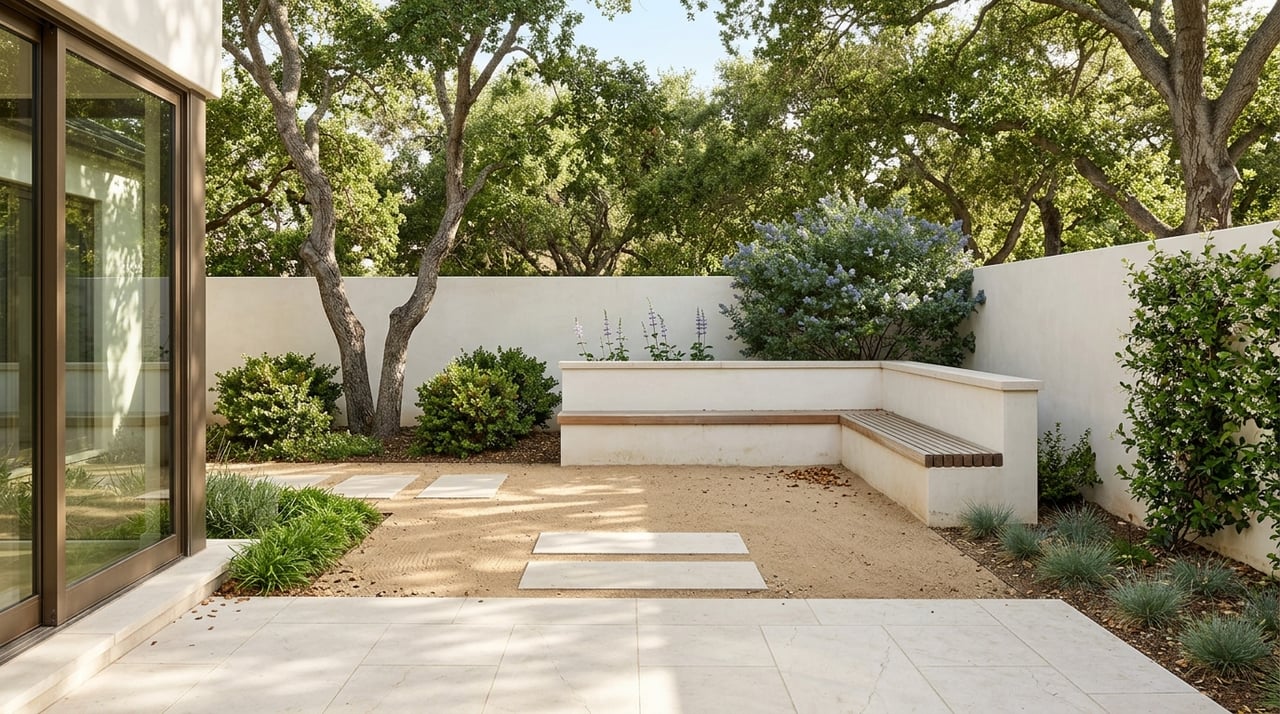
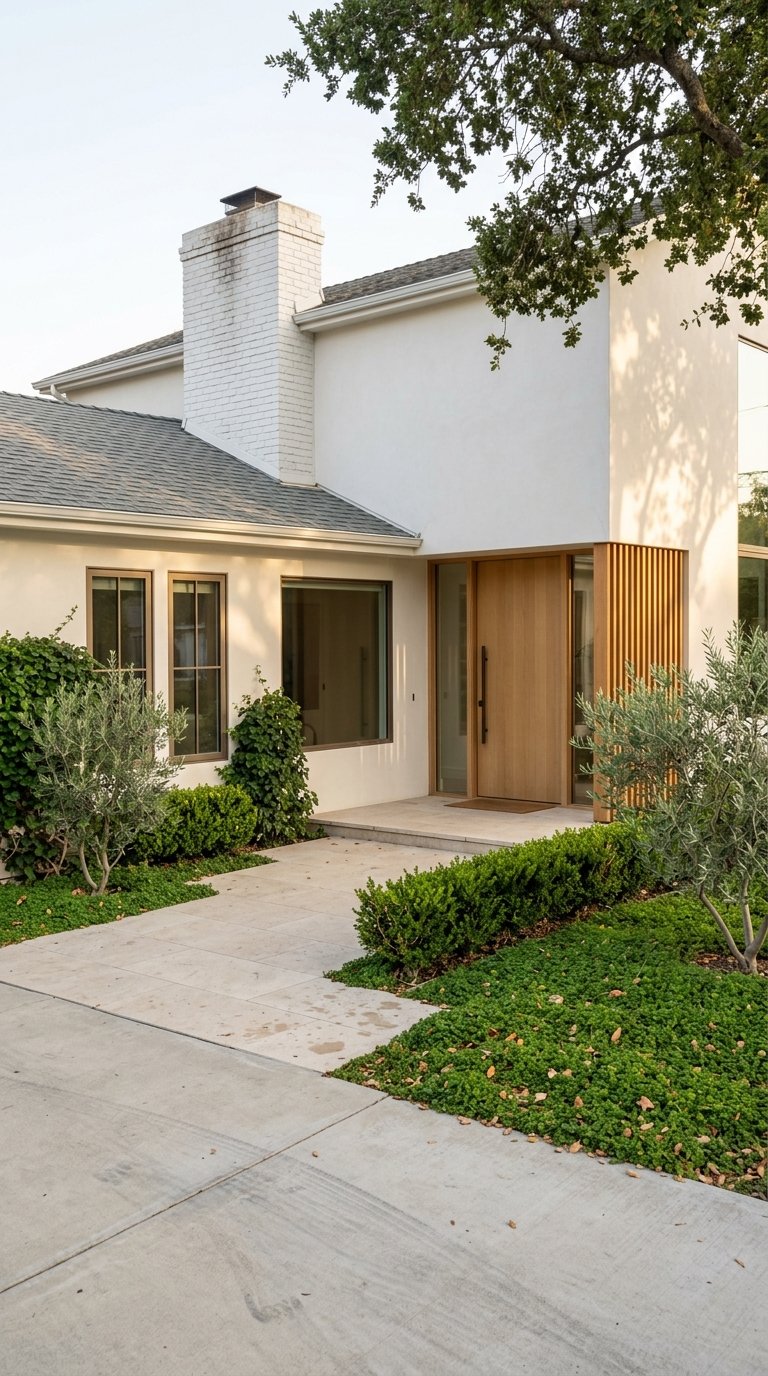
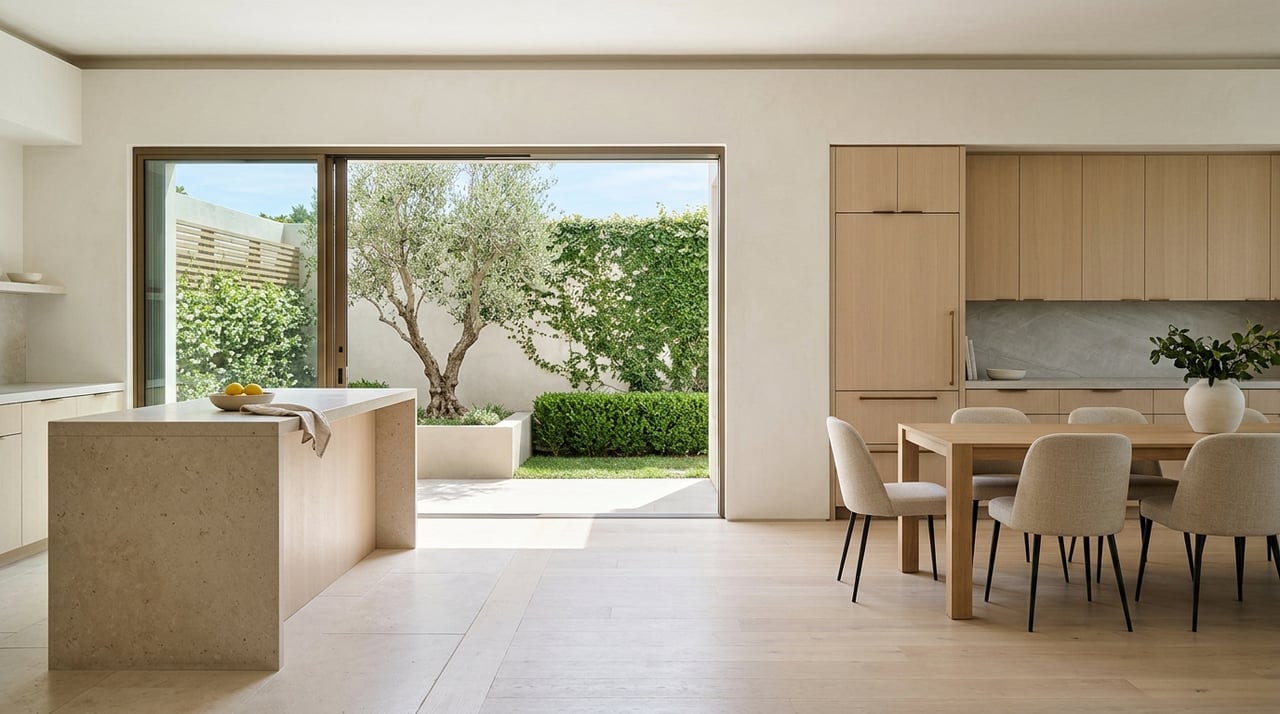
Most homes are custom single-family estates that take advantage of privacy, vistas, and indoor-outdoor living. You will find ranch, Mediterranean, and contemporary designs, along with features like pools, guesthouses, and small vineyards where lots allow. Many properties are sited to frame Bay or valley views while honoring setbacks and build-area limits. If a property is about the view, confirm story poles, neighbor conditions, and view protection standards early in your due diligence.
Ongoing maintenance to expect
Large lots often mean meaningful landscape budgets. Irrigation systems, seasonal drought considerations, and tree care add up, and heritage tree rules can affect what you can remove or prune. Long driveways and private roads need surface maintenance, lighting that meets code, and gate service. If a property has septic, plan for regular inspections and eventual replacement; if on sewer, confirm lateral condition.
How it compares nearby
Los Altos Hills trades village convenience for privacy and acreage. The town’s one-acre minimum and no-commercial framework create a quieter setting than nearby Los Altos, which has a traditional downtown and smaller lots. Buyers who value walkable errands often look to Los Altos, while those who want space and seclusion focus on Los Altos Hills. You can review zoning and land use in the Municipal Code and the General Plan.
Compared with Palo Alto, Los Altos Hills is less dense and more residential in feel. Palo Alto has multiple downtown nodes, two Caltrain stations, and neighborhoods close to Stanford and Sand Hill Road. Many choose Palo Alto for transit and shorter commutes to specific job centers, and choose Los Altos Hills for space, privacy, and open hillside living. For context on Palo Alto’s profile, see the Palo Alto overview.
On pricing, market snapshots often show medians in the high millions for Los Altos Hills and nearby Los Altos. These figures change quickly, so use current MLS data at the time you make an offer or list your home.
Buyer due diligence checklist
Use this list to focus your inspections and questions:
- Confirm school district assignments for the exact parcel. Boundaries are parcel-specific and can vary within town.
- Verify sewer vs septic. If septic, request recent inspection reports and system age. If a trunk main is nearby, ask about connection feasibility and costs.
- Ask for a current tree and landscape survey, and review any heritage or oak protections that affect pruning or removal.
- Confirm driveway access, slope, turnarounds for fire apparatus, and any shared or private-road easements.
- Review the Fire District’s HIZ assessment and rebate eligibility, plus any scheduled roadside fuel-reduction work.
- If views are central to your goals, confirm Town view and ridgeline protections and whether neighboring parcels have approved or pending projects.
Working with a trusted advisor
Buying or selling in Los Altos Hills is as much about planning as it is about the home. Zoning, site development limits, utilities, and wildfire readiness all shape long-term value. You benefit from a partner who anticipates permit and design constraints, negotiates with precision, and manages a smooth process from inspections to closing.
If you are considering a move in or out of Los Altos Hills, connect for tailored guidance, a clear plan, and polished execution. Dana Rae Stone blends two decades of real estate law experience with design fluency and Compass-backed marketing to help you move with confidence. Let’s talk about your home.
FAQs
What makes Los Altos Hills feel so private?
- The town’s net one-acre minimum lot size and no-commercial policy create low density and quiet streets, which preserve privacy and open space.
Does Los Altos Hills have retail or restaurants in town?
- No. The General Plan does not allow commercial or industrial uses within town limits, so most errands happen in nearby cities.
Will my property be on sewer or septic in Los Altos Hills?
- Many parcels still use septic. Where a sewer trunk line is within about 200 feet, new homes are generally encouraged to connect, so verify the setup and options for any address.
How do wildfire rules affect homeowners in Los Altos Hills?
- Wildfire is a primary hazard, so owners maintain defensible space and follow evolving hazard zone maps that can influence building and vegetation rules.
Are horses allowed on residential property in Los Altos Hills?
- Yes, private stables are a permitted accessory use when acreage and setbacks are met. Always verify specific limits and any pathway easements on the lot.
Is there a Caltrain station in Los Altos Hills?
- No. The nearest stations are in Palo Alto and Mountain View, so most residents drive to rail or commute by car using I-280 and local arterials.