Choosing between Woodside and Portola Valley can feel like picking between two stunning versions of the same dream. You want space, privacy, and trail access without moving far from Silicon Valley. This guide breaks down how the two towns compare on lot size, equestrian amenities, trail networks, utilities, and commute access so you can decide which lifestyle fits you best. Let’s dive in.
Quick take: Similar vibe, different rules
Shared rural-luxury lifestyle
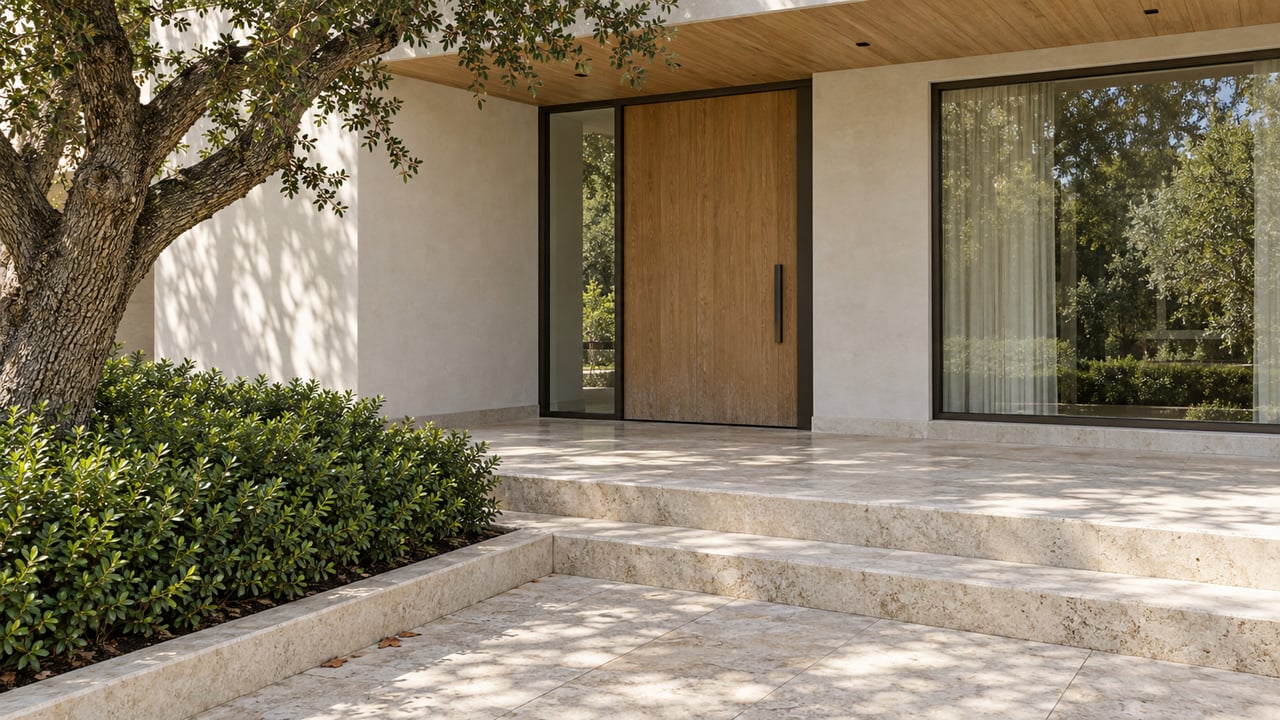
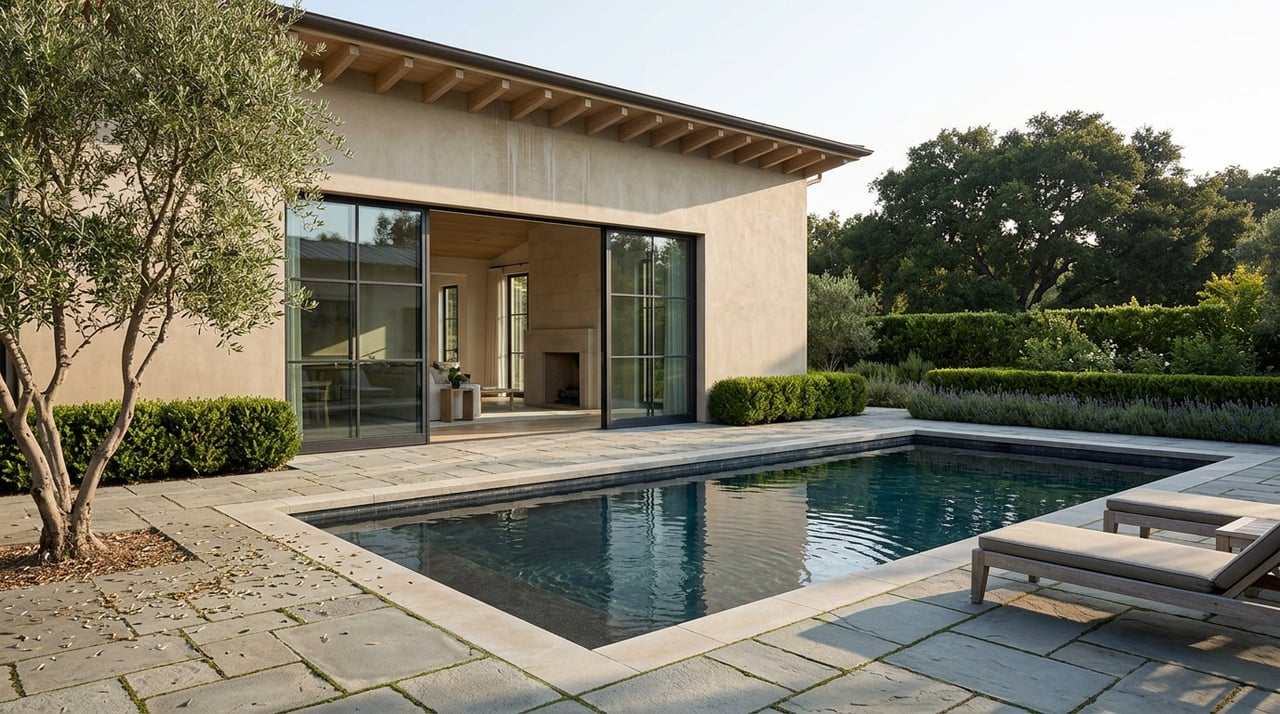
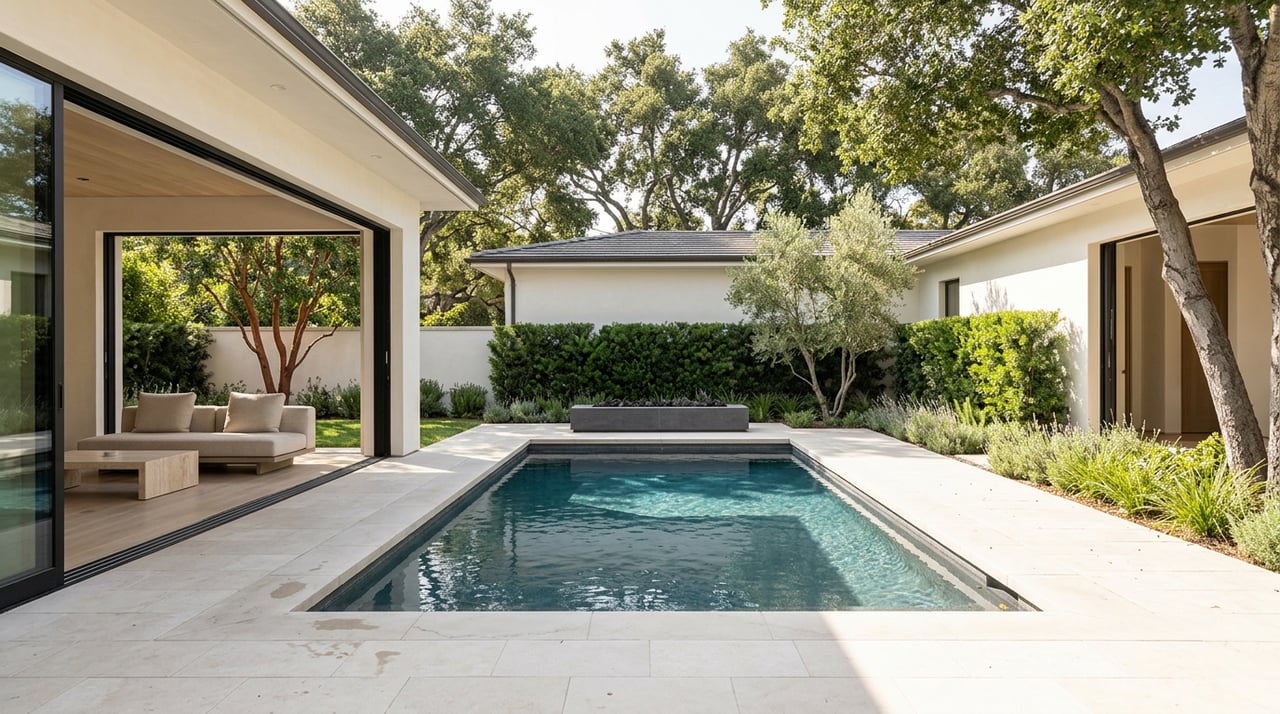
Both towns offer large lots, winding lanes, and a protected open-space feel that draws you in if you value privacy and nature. Buyers choose these areas for acreage, bridle paths, and nearby preserves while accepting car-focused living and the upkeep that comes with estate properties. The rural character and open-space protections are core to each town’s identity, as noted in Woodside’s housing appendix. You get a similar experience in both communities, even though the rules beneath the surface are not identical (Woodside Housing Appendix).
Parcel-scale differences: How lots are regulated
Woodside uses familiar zoning labels with tiered minimums, while Portola Valley ties minimum parcel area to slope. In plain terms, both deliver big-lot living, but the way a specific parcel can be used depends on which town you are in and the exact site conditions on the ground. Expect to confirm a parcel’s zoning and any slope or conservation overlay before you make plans (Woodside Housing Appendix; Portola Valley slope-density overview).
Estate lots and zoning explained
Woodside zoning at a glance
Woodside’s residential categories include R-1 (standard residential), SR (Suburban Residential), RR (Rural Residential), and Special Conservation Planning areas. Minimum lot sizes range from about 20,000 square feet in some R-1 areas to 3 acres in RR and 5 to 10 acres in certain SCP areas. Many of the classic estate neighborhoods sit in SR, RR, or SCP districts. These labels also guide what accessory structures you can add, such as barns and arenas, so it pays to confirm the exact district when you evaluate a property (Woodside Housing Appendix).
Portola Valley’s slope-density basics
Portola Valley layers slope-density combining districts on top of base zoning. As slopes increase, so does the minimum parcel area. In practice, many neighborhoods have 1-acre or larger minimums, and some require multiple acres per parcel based on the terrain. The big takeaway is that “how much you can build” depends not only on total acreage but also on topography and environmental constraints. Usable, flat ground matters here as much as the lot’s overall size (Portola Valley slope-density overview).
Usable acreage vs gross acreage
In both towns, ridge-edge parcels and creek corridors are common. That means setbacks, slope limits, and habitat protections can reduce the area available for a home, barn, paddocks, or an arena. Walk the site and verify where a house pad, turnout, or round pen could actually go. In Portola Valley especially, slope rules and creek setbacks are central to what is considered buildable ground (Portola Valley slope-density overview).
Equestrian life and trail access
Woodside’s equestrian framework
Woodside actively supports horse-keeping. The town publishes a “Keeping Horses in Woodside” guide, maintains a Trails Committee and a Livestock & Equestrian Heritage Committee, and issues stable permits with documented renewal guidance. If you plan to board or keep horses at home, this structure makes permitting and responsibilities easier to understand upfront (Keeping Horses in Woodside).
Portola Valley’s riding community
Portola Valley also has a deep equestrian tradition, with community riding programs and private barns. The Portola Valley Pony Club and private centers such as Spring Down serve as anchors for lessons, boarding, and community ties. If you want a social riding scene alongside on-property amenities, these institutions are valuable resources (Portola Valley Pony Club handbook).
Public boarding and heritage sites
If you need boarding or want to immerse yourself in the local history, Wunderlich Park’s Folger Stable in Woodside is a restored historic stable and a public boarding facility operated through San Mateo County Parks. It is a unique blend of heritage and day-to-day utility for riders living nearby (Folger Stable boarding information).
Regional trail network and access
The Midpeninsula Regional Open Space District manages a ring of preserves around both towns, including popular spots like Windy Hill and Russian Ridge. Horses are allowed on designated trails in many preserves, but rules vary by preserve and route. Always review the latest preserve pages to confirm allowable uses and maps before you ride (Midpen preserve rules and activities). In addition, Portola Valley’s town-managed preserves and private easements, such as Coal Mine Ridge, create more local options. Be sure to distinguish public access from private easements when you evaluate “ride from home” claims (Coal Mine Ridge Nature Preserve).
Utilities, septic, water, and development tools
Septic vs sewer on large lots
Estate zones and hillside areas often depend on onsite wastewater systems rather than municipal sewer. In Woodside’s RR and SCP zones, sewer is often not available, which affects how you maintain or expand improvements on the property. Ask for septic permits, pumping and inspection history, and any documented capacity limits before you finalize a purchase. These steps help you budget for long-term maintenance or replacement (Woodside Housing Appendix).
Water providers and service limits
Water service can come from a mix of sources, including district service, mutual water companies, or wells. On the mid-Peninsula, Bear Gulch (California Water Service) and Purissima Hills are commonly referenced service areas. Confirm the exact provider for a parcel, note any drought-related restrictions, and understand whether the home uses a shared system or well arrangement before you proceed (Local water service context).
SB 9 and ADUs: Proceed with care
California’s SB 9 and statewide ADU laws open doors for small-scale additions or splits, but they are not blanket permissions. Woodside adopted local ordinances and objective design standards for SB 9, and Portola Valley continues to align its housing policies with state rules. Do not assume a parcel is subdividable or that a duplex will be allowed based on size alone. Review local SB 9 standards and objective criteria before you plan a split or secondary unit (Woodside SB 9 resource page).
Access and everyday convenience
Commute ranges and nearby hubs
From many addresses in either town, the Palo Alto and Stanford area sits roughly 6 to 9 miles away. In light traffic, a 15 to 25 minute drive is common, and peak-hour commutes run longer. Always test your drive during your usual windows so you get real-world timing for your route and vehicle needs, especially if you plan to tow a trailer (Woodside to Palo Alto distance reference).
Freeways, local roads, and transit
I-280 and US-101 are the primary corridors to the broader Peninsula. Local connectors such as Woodside Road, Sand Hill Road, Alpine Road, and Portola Road feed the freeway network. Roads can be narrow and winding, so plan for car-based living and factor in safety and turning radii if you run a truck and trailer. Neither town has a Caltrain station within its limits, so many residents drive, carpool, or use employer shuttles.
Market snapshot and buyer mindset
Both towns trade in the multi-million-dollar range with low inventory, and medians can swing because transaction counts are small. Always check the provider and date for any number you rely on in a negotiation. As an example, Central Portola Valley snapshots show high single-digit to low double-digit million medians depending on the month and sample size, which can change quickly with a few large sales (Redfin Central Portola Valley market page). Woodside displays similar pricing profiles across town and ZIP-based views, so confirm whether your data covers the full town or a subset of neighborhoods (Homes.com Woodside sold data).
What consistently drives value in both towns is a blend of acreage, usable flat area, privacy, trail adjacency or access, condition of improvements, and clarity on permits for barns, arenas, and ADUs. Parcels with documented utilities, mapped building sites, and clear equestrian access often command a premium because they reduce risk and guesswork.
Estate buyer checklist
Before you make an offer, verify the details that matter for country living:
- Confirm the exact zoning district, minimum lot area, and any slope-density or SCP regulations for the parcel (Woodside Housing Appendix; Portola Valley slope-density overview).
- Obtain septic or OWTS permits and service history, and confirm any sewer availability before planning additions (Woodside Housing Appendix).
- Verify the water supplier and any watering or irrigation restrictions, including well or shared-system details (Local water service context).
- Check stable or barn permits, any horse or trails fees, and trailer access and turning space on-site (Keeping Horses in Woodside).
- Review local Fire Hazard Severity Zone resources and defensible-space requirements with the Woodside Fire Protection District, and confirm insurance options before you waive contingencies (AB-38 and defensible space info).
- Confirm private road maintenance agreements and evaluate winter, flood, or landslide exposure if the home sits on a private lane (Portola Valley slope-density overview).
- Document whether a nearby trail is public, a town easement, a Midpen route, or a private easement before you rely on front-door riding claims (Coal Mine Ridge Nature Preserve).
Ready to compare specific properties and parse the fine print on zoning, utilities, and equestrian use? Reach out to Dana Rae Stone for boutique, high-touch guidance backed by deep local experience and legal rigor.
FAQs
What makes Woodside and Portola Valley feel rural compared to nearby cities?
- Both towns protect open space and favor large lots, bridle paths, and trail connections, which create a quiet, low-density feel while remaining close to Peninsula job centers (Woodside Housing Appendix).
How do minimum lot sizes and zoning differ between the towns?
- Woodside uses R-1, SR, RR, and SCP districts with tiered minimums, while Portola Valley ties minimum parcel area to slope, which can require multiple acres where terrain is steeper (Woodside Housing Appendix; Portola Valley slope-density overview).
Can I keep horses at home in Woodside or Portola Valley?
- Often yes, but you must confirm permits, setbacks, manure management, and any local trails fees; Woodside publishes a detailed horse-keeping guide, and Portola Valley has active riding programs and private barns (Keeping Horses in Woodside; Portola Valley Pony Club handbook).
Where can I ride off-property near Woodside and Portola Valley?
- Many Midpen preserves allow horses on designated trails, and Portola Valley’s local preserves and easements add options, but rules vary by location so always check current maps and access notes (Midpen preserve rules and activities; Coal Mine Ridge Nature Preserve).
How close are these towns to Palo Alto and the Stanford area?
- Central Palo Alto is roughly 6 to 9 miles from many Woodside and Portola Valley addresses, translating to about 15 to 25 minutes in light traffic; always test your route at your usual commute times (Woodside to Palo Alto distance reference).