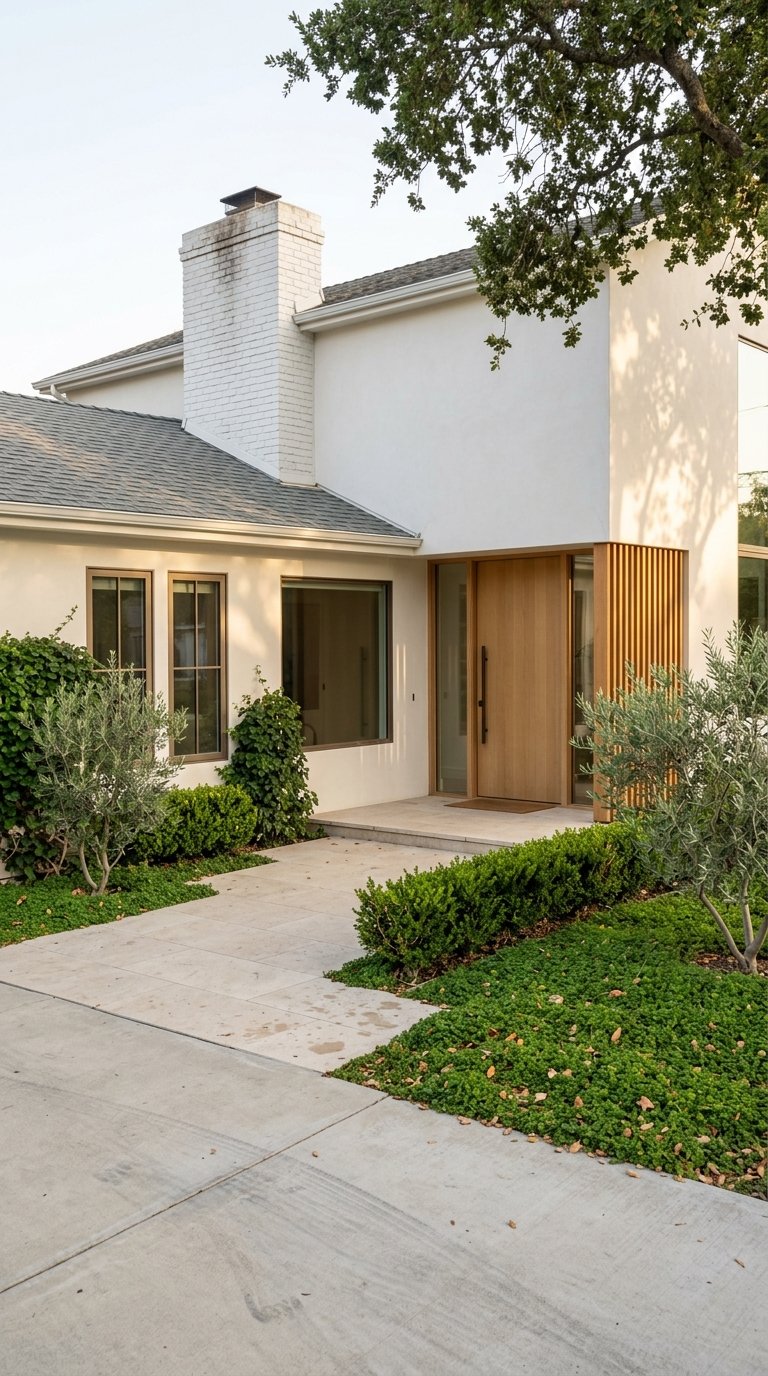
What makes a Menlo Park home feel right the moment you see it from the street? In a city where older cottages, classic revival homes, ranch houses, and sleek rebuilds often share the same blocks, style is never just about looks. If you are buying, selling, or updating a home here, it helps to understand how Menlo Park’s architecture actually reads in the local market. Let’s dive in.
Menlo Park Has a Layered Look
Menlo Park does not have one single defining home style. Its visual character comes from decades of growth, from early railroad-era development to postwar expansion and more recent remodeling and redevelopment.
That history still shows up in the housing stock today. According to the city’s Housing Element, 45.6% of homes were built from 1940 to 1959, 29.1% from 1960 to 1979, 6.5% before 1939, and only 3.9% in 2010 or later. That mix helps explain why traditional and modern homes coexist so naturally in Menlo Park.
For you as a buyer or seller, that means comparisons are rarely about one style being better than another. More often, people are judging a home by its era, how well it fits its lot, and whether updates feel thoughtful rather than out of place.
Traditional Styles in Menlo Park
Early Cottages and Bungalows
In older residential areas, you will still find early-20th-century cottages and bungalows tied to Menlo Park’s earlier subdivision growth. These homes often appeal to buyers who want charm, smaller-scale architecture, and original details that feel rooted in the city’s history.
When these homes present well, buyers tend to notice proportions and texture. Roof pitch, porch depth, window rhythm, and original materials can shape how authentic and inviting the home feels from the street.
For sellers, that means updates usually work best when they improve comfort without stripping away character. A polished kitchen or bath can add value, but the home’s appeal often starts with its original street presence.
Period Revival Homes
Menlo Park survey materials identify several revival styles, including Colonial, Spanish Colonial, Tudor, and neoclassical box forms. These are some of the most recognizable traditional homes in the city because they often have strong architectural cues that read clearly in listing photos and in person.
Spanish Colonial homes may stand out through stucco texture and form, while Colonial and Tudor homes often rely on symmetry, window placement, and roof shape to create visual appeal. Buyers are often drawn to these homes because they offer a sense of permanence and architectural identity.
If you are selling one of these properties, careful presentation matters. Landscaping, masonry or stucco condition, and intact period details can make a meaningful difference in how the home is perceived.
Midcentury Ranch Homes
Ranch homes are a major part of Menlo Park’s housing mix. City materials describe the ranch type as ubiquitous on the Peninsula, and local character reports note features like horizontal rooflines and integral garages.
These homes often attract buyers who want easy indoor-outdoor living, practical layouts, and a lower-profile streetscape. In Menlo Park, ranch houses can also bridge the gap between traditional and modern tastes because many have been updated over time while keeping their basic form.
For sellers, ranch homes often benefit from improvements that highlight light, flow, and connection to the yard. Because the original massing is usually simple and readable, clean landscaping and uncluttered exterior presentation tend to work especially well.
Modern Homes in Menlo Park
Contemporary Rebuilds and Additions
In Menlo Park, newer modern homes are often not part of a separate historic category. Instead, they are more commonly full contemporary rebuilds, major remodels, or second-story additions layered into an older housing landscape.
That makes modern design in Menlo Park a matter of context. A contemporary home can feel successful here when it respects the scale of the lot, the rhythm of nearby homes, and the surrounding landscape pattern.
This is especially important in areas near downtown and the El Camino corridor, where the city continues to guide infill and redevelopment through planning processes. Buyers often respond well to clean lines and updated design, but they also notice when a home feels oversized or disconnected from its setting.
What Modern Buyers Notice
Modern homes in Menlo Park often win attention through light, layout, and finish level. But unlike in a master-planned newer suburb, buyers here are also reading the home in relation to the block.
That means details like height, massing, and how the house sits on the lot matter just as much as the interior design. A modern home that feels proportional and well-composed often lands better than one that tries too hard to dominate the site.
If you are preparing a modern listing, exterior photography should show that relationship clearly. Buyers want to understand not just the architecture, but also how the home lives within the streetscape.
Why Curb Appeal Matters So Much Here
Menlo Park’s mature tree canopy is a big part of its identity. The city notes that its urban forest gives the community distinct character, and local reports connect mature trees, common siting, and similar massing to the visual cohesion of older neighborhoods.
That has a direct impact on how homes should be marketed. In Menlo Park, curb appeal is not just about the façade. It is also about the front yard, landscape buffer, setbacks, garage placement, and the home’s relationship to neighboring properties.
For buyers, these elements help create a quick sense of fit. For sellers, they shape the first impression before a buyer ever steps inside.
How to Read Exterior Design
When you are evaluating a Menlo Park home, these are often the most useful things to notice:
- Rooflines and massing
- Front yard depth and landscape presence
- Window rhythm and façade balance
- Garage placement and side setbacks
- Original details versus newer updates
- How the home fits the scale of the lot
These details help explain why two homes with similar square footage can feel very different in person. In Menlo Park, presentation is often tied to proportion and placement as much as finish level.
Buying a Traditional or Modern Home
If you are buying in Menlo Park, it helps to think beyond broad labels like traditional or modern. A ranch home may offer an easier path to updates, while a revival home may offer stronger architectural identity. A newer contemporary home may deliver turnkey living, but its long-term appeal can depend on how well it fits the neighborhood context.
The best choice often comes down to your priorities. You may care most about original character, renovation potential, lot orientation, or the simplicity of a newer build.
A local, design-aware lens can help you compare homes more effectively. In a market with high values and a wide mix of housing eras, subtle architectural differences can carry real weight.
Selling With Style in Mind
For Menlo Park sellers, the safest design strategy is often thoughtful modernization without erasing the home’s original presence. City materials repeatedly emphasize neighborhood character, mature trees, compatible scale, and street-facing form.
In practical terms, that usually means improving kitchens, baths, lighting, and landscaping while respecting the home’s existing massing and curb appeal. Buyers often respond best when a home feels updated, polished, and true to itself.
That is especially important in a premium market where photography and presentation carry outsized value. Menlo Park’s high owner-occupied values and strong emphasis on curb appeal make design decisions visible from the very first listing image.
A Smart Marketing Approach for Menlo Park
Because Menlo Park has such a broad architectural mix, effective marketing should never flatten a home into a generic style category. The goal is to identify what the property does best and present it clearly.
For a bungalow or revival home, that may mean highlighting original detailing, texture, and garden setting. For a ranch, it may mean emphasizing horizontal flow, lot width, and indoor-outdoor potential. For a contemporary rebuild, it may mean showing clean composition, proportional scale, and how the home relates to the street.
That kind of positioning takes local judgment. In a market like Menlo Park, polished presentation works best when it is tied to the home’s architecture, not layered on top of it.
If you are thinking about buying, selling, or preparing a home in Menlo Park, a design-minded local strategy can help you make sharper decisions with more confidence. To talk through your home, your goals, and the best way to position a property in this market, connect with Dana Rae Stone.
FAQs
What traditional home styles are common in Menlo Park?
- Menlo Park includes early-20th-century cottages and bungalows, period revival homes such as Colonial, Spanish Colonial, Tudor, and neoclassical forms, and many midcentury ranch houses.
What modern home styles are common in Menlo Park?
- Modern homes in Menlo Park are often contemporary rebuilds, major remodels, or second-story additions rather than a large separate stock of newly built homes.
Why do Menlo Park homes look so varied?
- Menlo Park developed in layers over time, from earlier residential growth to postwar suburban expansion and more recent redevelopment, so homes from different eras often sit close together.
What do buyers notice first about Menlo Park homes?
- Buyers often notice curb appeal, mature trees, front yard depth, setbacks, garage placement, rooflines, and whether the home feels proportional to its lot and surroundings.
How should sellers update an older Menlo Park home?
- Sellers often do best by modernizing kitchens, baths, lighting, and landscaping while keeping the home’s original massing, street presence, and architectural character intact.
Are ranch homes important in the Menlo Park market?
- Yes. Ranch homes are a major part of Menlo Park’s housing mix and often appeal to buyers looking for practical layouts, lower-profile design, and indoor-outdoor living potential.