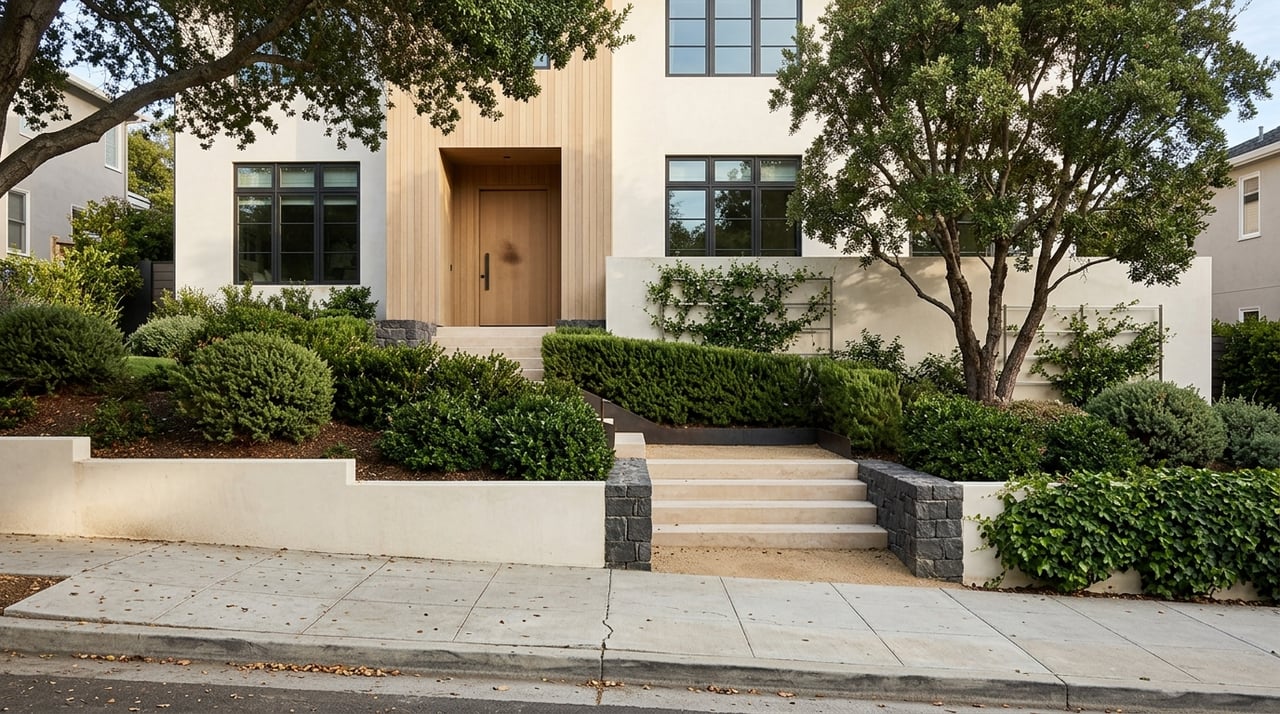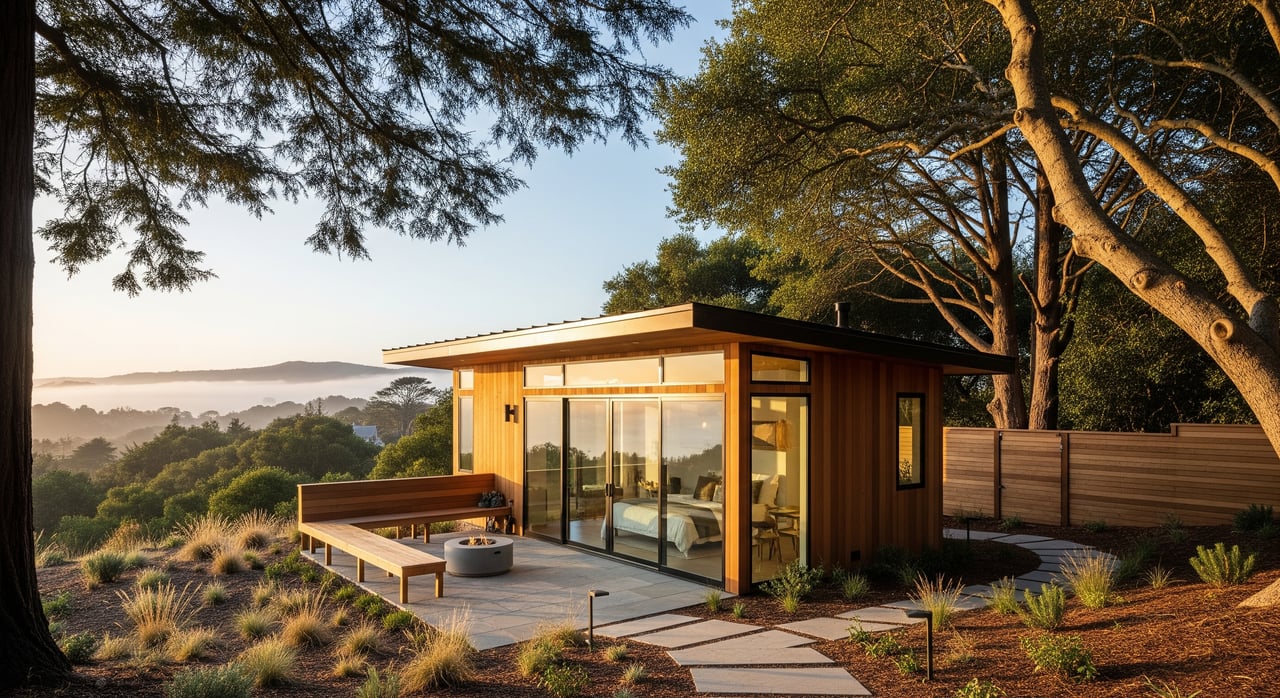
Thinking about adding an accessory dwelling unit to your Woodside property? You’re not alone. An ADU can open the door to flexible living, long-term value, and potential income, but the path looks different here than in more urban parts of the Peninsula. In this guide, you’ll get a clear view of rules, costs, site constraints, and how to plan a smooth project in Woodside. Let’s dive in.
State rules at a glance
California law makes ADUs broadly feasible in single-family areas and sets a streamlined baseline for approvals when projects meet objective standards. Local governments must follow this framework and can add objective, measurable requirements.
ADU types you can consider
- Junior ADU (JADU) created within the existing home. JADUs are typically small, commonly up to 500 square feet under state rules.
- Detached ADU as a new freestanding structure.
- Attached ADU as an addition to the primary residence.
- Conversion ADU created from an existing accessory structure, such as a garage or guesthouse.
Permitting, occupancy, and parking
- Many ADUs qualify for ministerial approval if they meet objective standards, which simplifies and accelerates review.
- Owner-occupancy requirements are limited in many situations by state reforms, though specific conditions and private CC&Rs may still apply.
- Parking requirements are capped by state rules, and exemptions often apply for conversions or locations near transit. Local conditions determine exact applicability.
Fees, hookups, and safety codes
- Impact and utility fees must be proportional to the ADU’s size and impact rather than the same as a full single-family home.
- ADUs must meet building, energy, plumbing, electrical, and fire safety codes. In high fire-risk areas, wildfire-resistant construction and defensible space are common requirements.
Woodside site realities
Woodside’s beauty comes with semi-rural complexity. The most successful ADU projects here plan early for infrastructure and safety.
- Septic and wells: Many properties rely on private systems. An ADU often requires a septic capacity evaluation and may trigger an upgrade, replacement, or a new permit. Expect review by environmental health authorities.
- Wildfire and access: Woodside is a high wildfire hazard area. Fire authority review is typical, and projects often need defensible space, ember-resistant construction, and possibly residential sprinklers or driveway/access improvements.
- Trees, slopes, and environmental overlays: Heritage trees, creeks, ridgelines, and steep slopes can limit siting and add studies such as geotechnical, erosion control, and landscape or biological assessments.
- Utilities: Confirm electric, gas, and water service early. Long utility runs, panel upgrades, or well improvements can move the budget.
Local process and contacts
Even with state streamlining, plan for multiple touchpoints in Woodside.
- Town of Woodside Planning Department for zoning and objective design standards.
- Town or County Building Department for permits and inspections.
- Woodside Fire Protection District for fire code, sprinklers, and vegetation management.
- San Mateo County Environmental Health for septic and wastewater oversight where applicable.
- Utility providers for service availability and upgrades. If you are in an HOA, review CC&Rs for any restrictions.
Early pre-application meetings reduce surprises and help you set a realistic timeline and budget.
Budget and timelines
Costs and timing vary widely due to site conditions, design choices, and required upgrades. Think in layers: soft costs, site work, and the building itself.
What to budget for
- Preliminary and soft costs: feasibility consults, architectural plans, civil and geotechnical reports, septic evaluation or sewer fees, arborist or biological reports, and permit and utility fees.
- Construction: conversion of existing space is often the most cost-effective; a new detached ADU adds foundation, grading, utilities, and possibly driveway or parking work. System upgrades can include electrical panels, septic or well improvements, and fire sprinklers if required.
- Site compliance: driveway access, retaining walls, drainage, erosion control, wildfire hardening, and defensible space.
Major Woodside cost drivers
- Septic and well work that expands capacity.
- Slope and soils requiring engineering, grading, or retaining walls.
- Fire-safety upgrades, including possible sprinklers and ignition-resistant materials.
- Long utility runs or service upgrades.
- Design complexity and local labor and materials pricing.
Timeline to expect
- Pre-application and feasibility: about 2 to 8 weeks.
- Design and studies: roughly 1 to 3 months, longer if geotechnical or septic design is complex.
- Permit review: weeks to months for ministerial projects; several months to a year if variances or environmental reviews are needed.
- Construction: conversions may take a few months; detached units often take 6 to 12 months or more when extensive site work is involved.
Risks that add time and cost
- Septic or well constraints discovered late in design.
- Variances or discretionary reviews.
- HOA or neighbor concerns where applicable.
- Additional fire-protection measures added during review.
How to manage risk
- Schedule pre-application meetings with planning and fire officials.
- Commission early septic and well feasibility studies.
- Engage an architect or ADU builder experienced in Woodside and San Mateo County.
- Consider converting an existing legal structure to reduce site work and complexity.
Value and use cases
An ADU in Woodside can deliver both financial and lifestyle benefits. The right design and documentation enhance long-term resale value.
- Rental income: In high-cost Peninsula markets, long-term rentals generally command strong rates. Actual rent will depend on size, finish, and parking, as well as demand in Woodside and nearby communities.
- Multigenerational living: A private, code-compliant unit can support aging parents, adult children, or staff while preserving privacy.
- Resale appeal: A permitted, well-integrated ADU can increase marketability and value, especially for buyers seeking flexible living options.
Be mindful of use constraints. Short-term rental rules vary, and local jurisdictions regulate business licensing, taxes, and occupancy. Long-term leases are subject to state landlord-tenant laws. Verify current local ordinances before finalizing plans.
Step-by-step checklist
A clear plan helps you move efficiently from idea to groundbreaking.
Pre-feasibility steps
- Confirm zoning and objective ADU standards with Town of Woodside Planning.
- Contact environmental health authorities to understand septic capacity requirements.
- Verify well status or water supply and confirm electric and gas service and panel capacity.
- Consult the Woodside Fire Protection District on fire-hardening and access.
- Review HOA CC&Rs if applicable and note heritage trees, slopes, creeks, and drainage on site.
Assemble your team
- Architect or ADU designer with Woodside experience.
- Civil and geotechnical engineers for sloped or complex sites.
- Septic or wastewater consultant familiar with San Mateo County Environmental Health.
- General contractor or ADU builder with Peninsula references.
- Fire and landscape professionals to plan defensible space.
Questions to ask early
- Which objective design standards will apply to my parcel for ministerial review?
- Will my site trigger variances or environmental studies?
- What septic or water upgrades are required for my target bedroom count?
- Which wildfire measures and, if any, sprinklers will be required?
- Are any ADU fee reductions or streamlined pathways currently active?
Is an ADU right for you?
If you want flexible space for family, staff, or income, an ADU in Woodside can be a smart move. The key is to account for septic, fire, terrain, and utilities from the start and tailor design choices to your site. With the right plan, you can control risk, stay on timeline, and build lasting value.
If you would like a thoughtful discussion of feasibility, resale impact, and next steps tailored to your property, connect with Dana Rae Stone. Let’s talk about your home.
FAQs
What are the main ADU types in California?
- The state recognizes JADUs within an existing home, attached ADUs, detached ADUs, and conversion ADUs created from existing accessory structures.
How large can a JADU be?
- Under state rules, JADUs are commonly limited to 500 square feet, created within the existing single-family residence.
Do I have to live on site if I build an ADU?
- State reforms limit owner-occupancy requirements in many cases, though specific conditions and private CC&Rs can still apply.
Will I need to add parking for my ADU?
- State law limits additional parking requirements, and exemptions often apply, especially for conversions or sites near transit; confirm based on your property’s details.
How do septic systems affect ADU feasibility in Woodside?
- Many properties use septic, so you will likely need a capacity evaluation, and the system may require an upgrade, replacement, or a new permit to support added occupants.
How long does a Woodside ADU typically take?
- Expect several stages: weeks for pre-feasibility, 1 to 3 months for design and studies, weeks to months for permitting, and a few months to a year or more for construction depending on scope and site conditions.
Can I use my ADU as a short-term rental?
- Short-term rentals are regulated locally, with rules on licensing, taxes, and occupancy; verify current Woodside and county requirements before planning STR use.