Trying to picture daily life in Menlo Park? Maybe you’re relocating for work, planning a move from the city, or weighing neighborhoods for the right balance of walkability, parks, and commute. You want a clear, grounded view of what living here actually feels like, without the hype. This guide walks you through neighborhoods, housing styles, daily amenities, and commute choices so you can decide whether Menlo Park fits your lifestyle. Let’s dive in.
Where Menlo Park fits on the Peninsula
Menlo Park sits on the Peninsula between Palo Alto to the south and Redwood City to the north, with Atherton to the west and East Palo Alto toward the Bay. It is part of the San Francisco–Redwood City–South San Francisco area within the broader Bay Area. You’ll find a compact city that draws many tech and professional workers because of its proximity to Stanford, Silicon Valley offices, and Peninsula employers.
The city skews affluent and highly educated compared with national averages, and housing costs reflect that. Still, the neighborhoods vary. Western and central pockets tend to have higher prices and larger lots, while areas closer to the Bayfront and the Dumbarton Bridge direction show more mixed housing and density profiles.
Neighborhoods at a glance
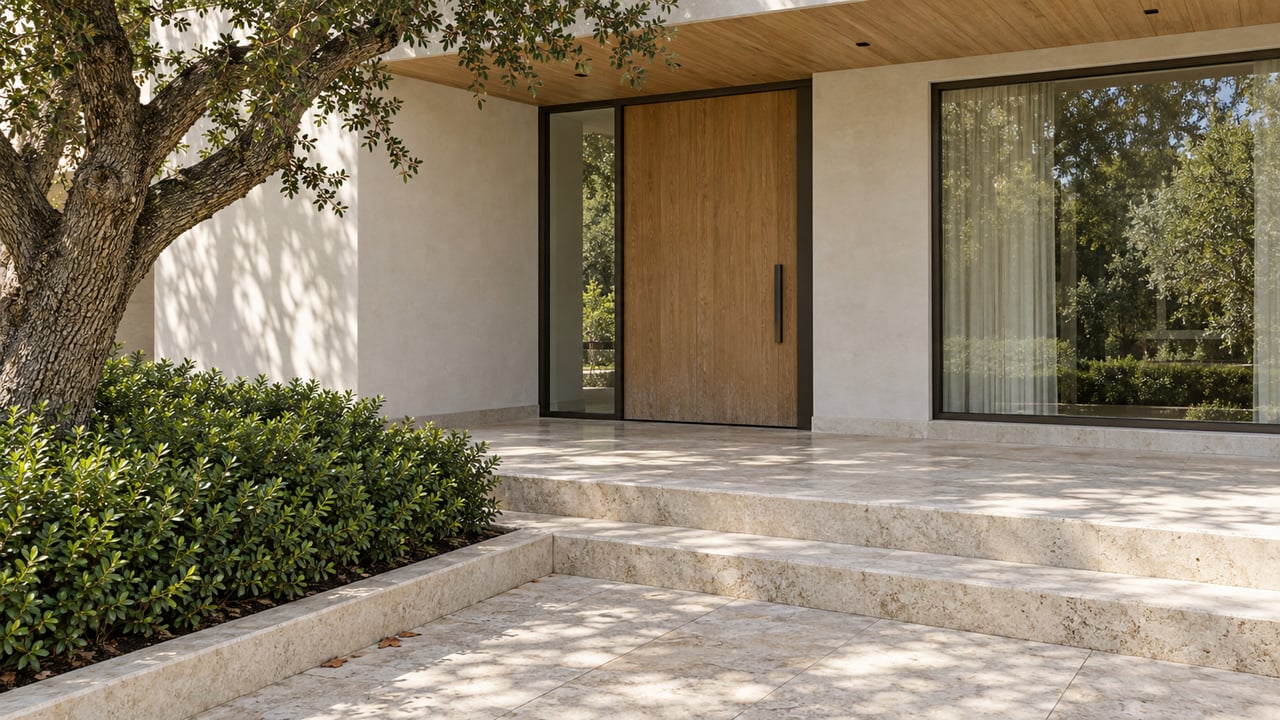
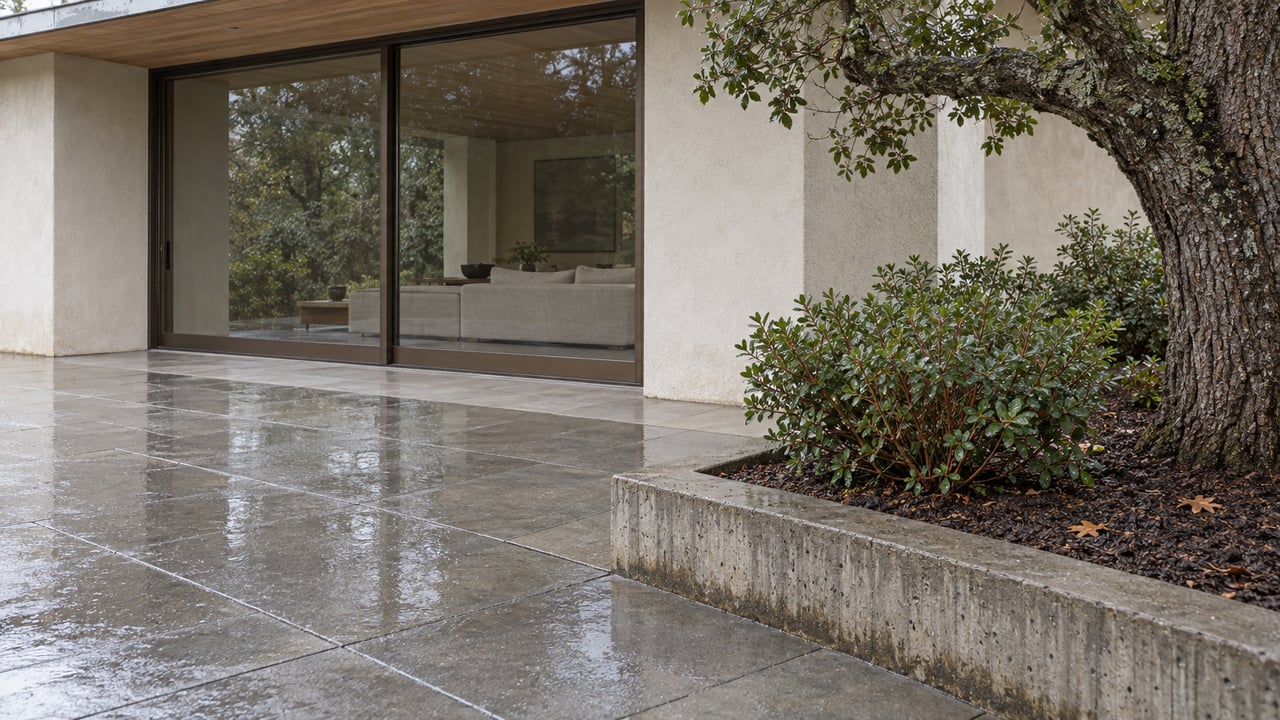
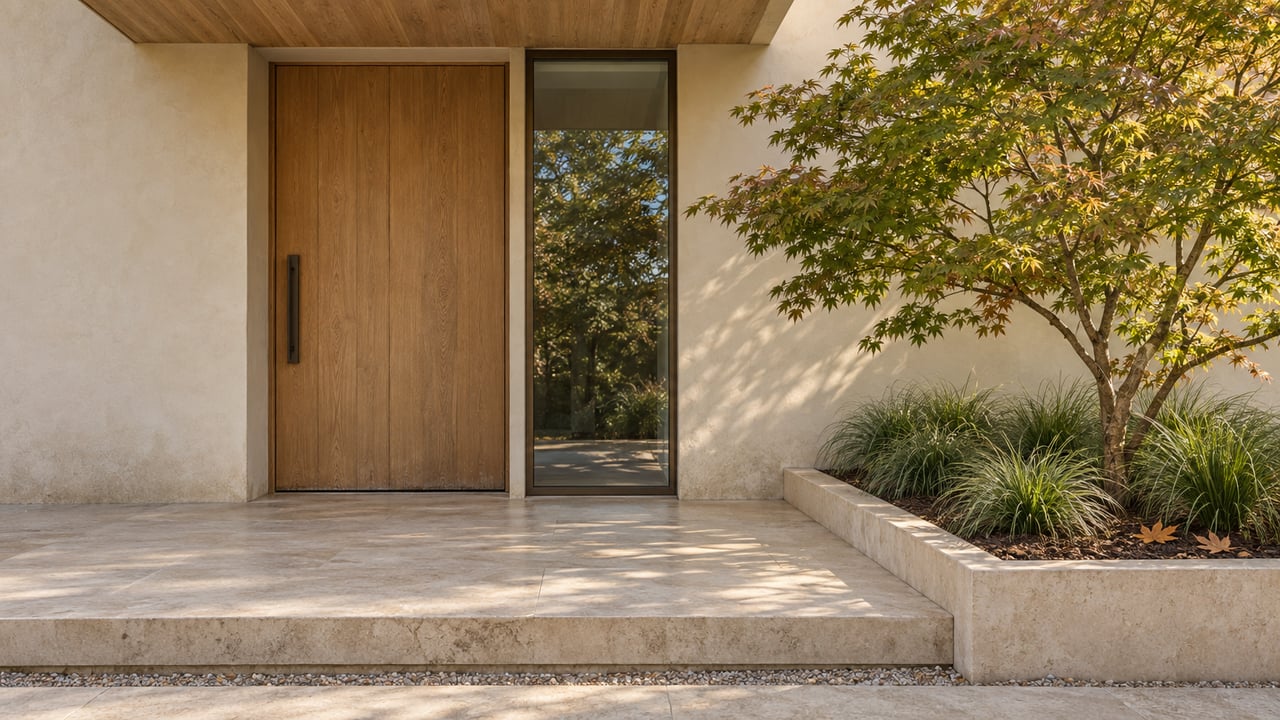
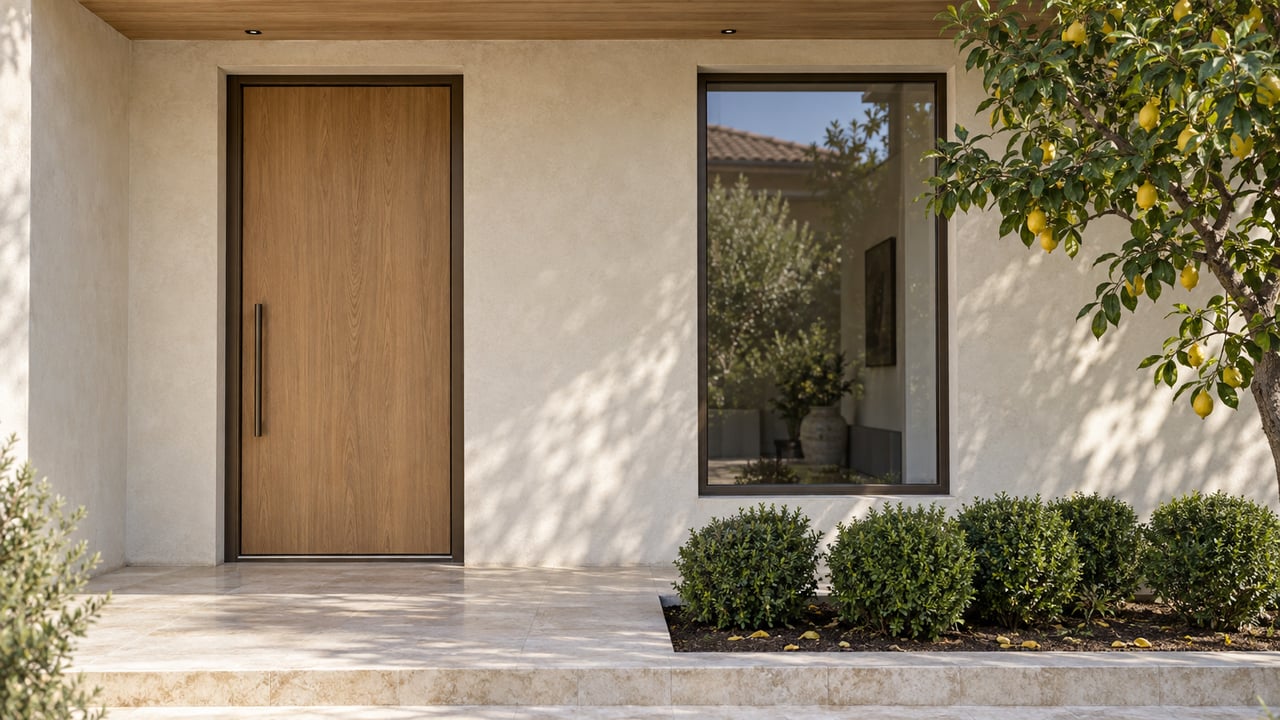
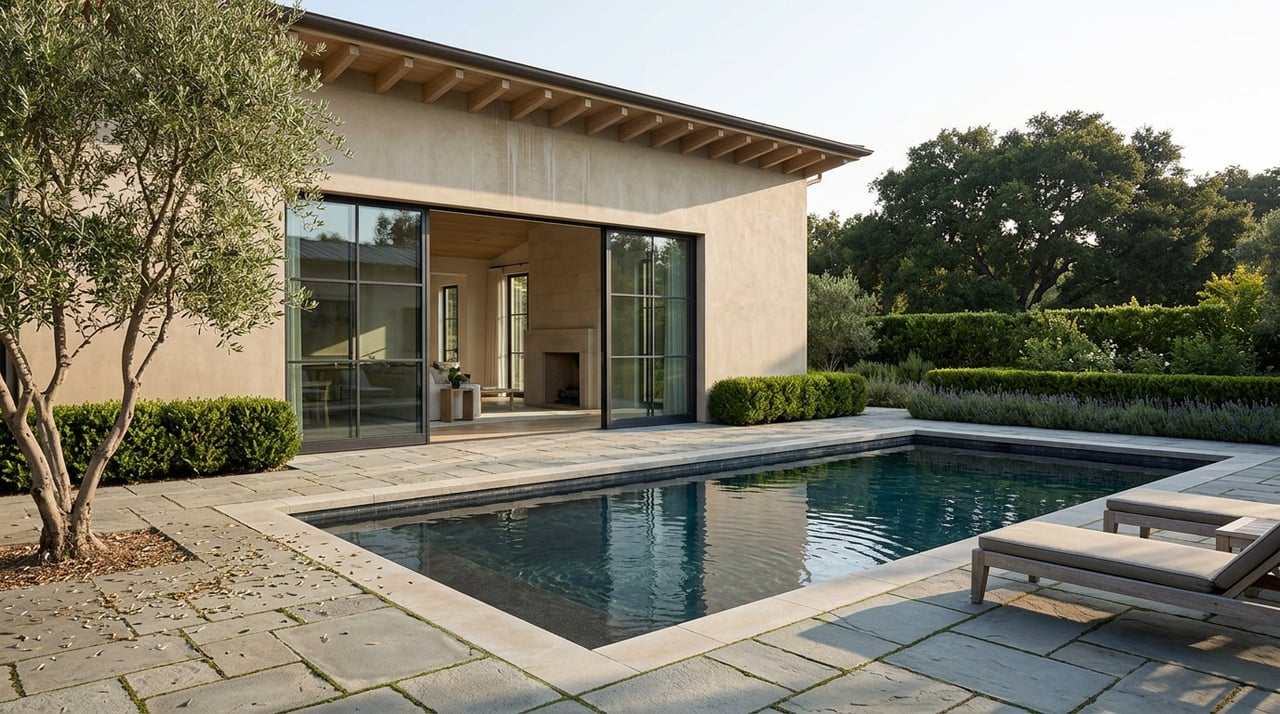
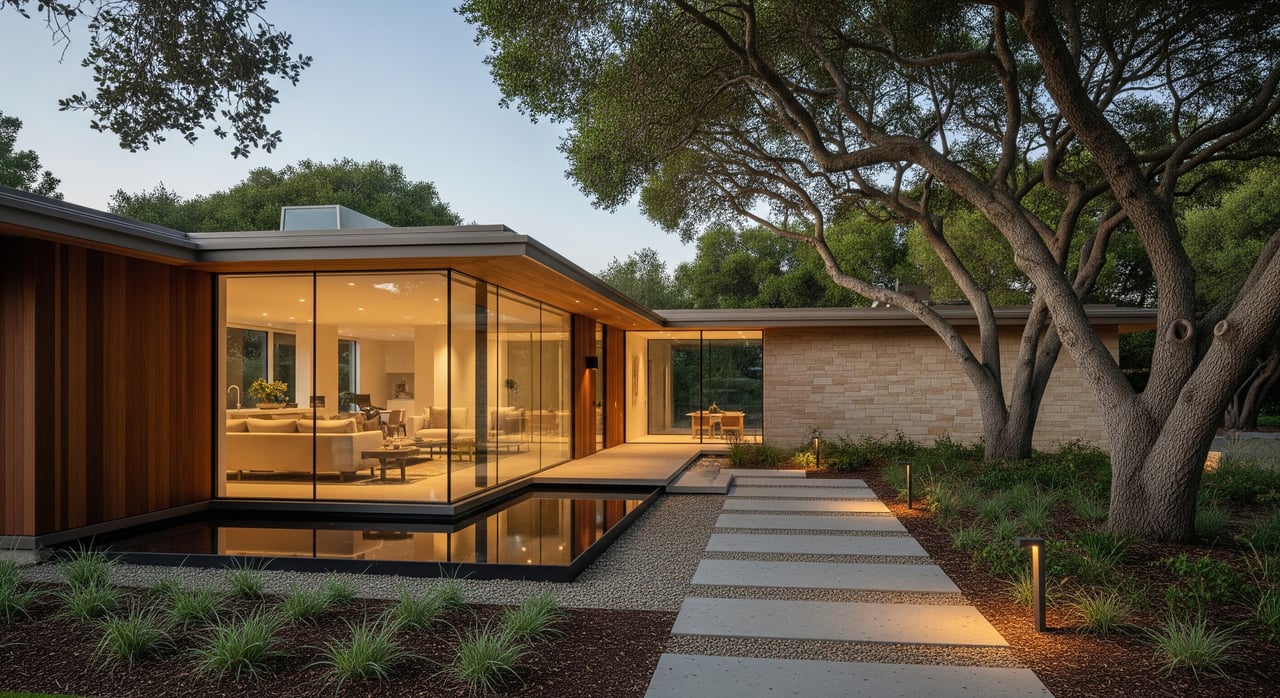
Menlo Park’s neighborhoods offer distinct rhythms and housing types. You’ll see everything from early 20th‑century bungalows to mid‑century homes and striking modern rebuilds.
Downtown and Central Menlo Park
The downtown corridor along Santa Cruz Avenue and El Camino Real is the classic heart of town. You get independent cafés, bakeries, small shops, and everyday services within a few blocks. Lots are smaller near the core, which adds to the walkable feel. If you want to stroll for coffee, grab groceries, and hop on Caltrain, this area is a natural fit.
Sharon Heights, Allied Arts, and Felton Gables
These residential pockets lean quieter, with a calm, tree‑lined character and a range of single‑family homes. You’ll notice larger lots in places and a mix of architectural eras. If you value a more tucked‑away feel while staying close to daily needs, these areas are worth a look.
Belle Haven and the eastern neighborhoods
Closer to the Bayfront, you’ll see more mixed housing and higher density in spots. This side of town sits near large open spaces and the regional trail network. The neighborhood profile has evolved over time, with ongoing planning and redevelopment shaping the area’s future.
Housing types and architecture
Single‑family homes are the backbone of Menlo Park’s residential landscape. You’ll also find townhomes and smaller apartment buildings, especially along key corridors. Newer condominium communities have appeared near major streets and station areas, catering to buyers who want a lower‑maintenance option with access to transit and services.
Architecturally, variety is the norm. Classic Craftsman and California bungalows dot older streets. Mid‑century homes are common, and many properties have been expanded or rebuilt to meet today’s space and design preferences. Given high land values, teardown‑and‑rebuild projects remain a visible part of the market.
Daily life and amenities
Daily errands are straightforward. Grocery stores, pharmacies, fitness options, and specialty food shops are spread across town, with more chain retail and professional services clustered along El Camino Real.
Dining and social spots
Expect a mix of casual cafés, family‑friendly restaurants, and higher‑end dining typical of affluent Peninsula communities. Social life often centers on downtown, parks, local clubs, and school‑related activities. The pace is lively during the day and comfortably quiet at night.
Parks, trails, and open space
Menlo Park offers neighborhood parks with playgrounds and fields, plus a standout: Bedwell Bayfront Park on the eastern edge. You can walk or bike with panoramic Bay views and connect to regional paths, including the Bay Trail. Smaller parks throughout town make it easy to fit quick outdoor time into your routine.
Libraries and community events
The Menlo Park Library and city‑run programs add a steady stream of classes, talks, and activities. Seasonal events, small festivals, and farmers markets pop up throughout the year, creating easy ways to engage with the community.
Health care
You’re close to Stanford Health Care and other regional medical centers. Local clinics and urgent care options are available for day‑to‑day needs, which brings peace of mind for busy households.
Getting around and commute choices
If your schedule hinges on reliable commutes, Menlo Park gives you options, though peak‑hour congestion is a reality on the Peninsula.
Driving and major roadways
U.S.‑101 is the primary freeway for north‑south travel, with I‑280 a short drive to the west for a more scenic alternative. El Camino Real runs through town for local trips. In typical traffic, Palo Alto is often a 10 to 20‑minute drive, while San Francisco and San Jose can range from 30 to 60 or more minutes depending on the time of day.
Caltrain, buses, and shuttles
The Menlo Park Caltrain station connects you north to San Francisco and south to Silicon Valley employment centers, with more service during peak hours. SamTrans provides bus routes, and many major Peninsula employers run private shuttles between transit hubs and campuses. If you want to avoid driving every day, this network can make a big difference.
Biking and walkability
Central neighborhoods near downtown are the most walkable. Elsewhere, Menlo Park feels more suburban and car‑oriented, though you’ll find local bike lanes and access to Bayfront and county trails for commuting or recreation.
Parking and car ownership
Street parking and residential permits are common in busier areas near downtown and the station. Many residents own one or more cars and use rideshare for airport trips or nights out.
Cost of living and real estate realities
Housing is the biggest line item here. High land values and limited inventory shape the market, and multiple offers are not unusual in sought‑after neighborhoods. Pricing and activity move with broader Bay Area cycles, but the fundamentals remain steady: proximity to jobs, neighborhood character, lot size, and potential for remodel or rebuild all influence value.
Beyond the purchase price or rent, plan for holding costs. Property taxes, homeowners insurance, and maintenance can be significant, especially for older homes that may need seismic retrofits or updates to roofs, foundations, and utilities typical of Peninsula housing stock.
Who thrives in Menlo Park?
Every buyer weighs different trade‑offs. Here’s how people often approach the decision.
- Families often focus on quiet streets, larger lots, and convenient park access. Public school assignments matter to many buyers, and there are private K–12 options across Menlo Park, Atherton, and Palo Alto. It is always smart to verify school assignments directly with the district.
- Professionals and couples without children often prioritize walkability to downtown, access to Caltrain, and shorter commutes to major employers.
- Value‑minded buyers may consider smaller homes, condominium apartments, or townhomes near main corridors. Some also look at nearby cities for different price points while keeping commute times manageable.
How Menlo Park compares nearby
- Palo Alto: Similar tech‑oriented energy and university proximity, often with higher pricing near Stanford and campus‑centric neighborhoods.
- Atherton: Very low density and larger lots, with some of the highest single‑family home prices in the region.
- Redwood City: A larger, lively downtown and wider housing mix, often offering more options across price points in certain submarkets.
- East Palo Alto: Historically more affordable with different infrastructure and ongoing redevelopment in parts.
Each community offers its own balance of space, price, amenities, and commute patterns. Your best fit depends on what you value most right now.
Buying or renting: practical tips
A focused plan helps you navigate a competitive market.
- Clarify your must‑haves. Decide how you rank commute time, school assignments, lot size, indoor space, and walkability. You will likely make at least one trade‑off.
- Get pre‑approved early. Competitive timelines mean you should be ready to act when the right home appears.
- Inspect thoughtfully. Many older Peninsula homes benefit from seismic, foundation, roof, electrical, or plumbing updates. Budget and plan accordingly.
- Understand zoning and disclosures. Menlo Park’s micro‑neighborhoods can include unique lot lines, easements, or Bayfront permitting considerations. Local insight helps you avoid surprises.
- For renters, start early. Inventory changes quickly. Short‑term leases can buy time to learn the neighborhoods before committing.
Is Menlo Park right for you?
Menlo Park blends small‑city convenience with big‑market opportunity. You get a lively downtown, strong access to jobs, and an outdoor lifestyle that revolves around parks and Bayfront trails. In return, you navigate higher housing costs and a competitive buying landscape. If that trade‑off aligns with your goals, Menlo Park can be an excellent long‑term base on the Peninsula.
If you want a local perspective tailored to your timeline and must‑haves, reach out to a trusted advisor. Dana Rae Stone understands the micro‑neighborhoods, the transactional details, and the design choices that make a difference. Let’s talk about your home.
FAQs
What are typical Menlo Park commute times by car?
- In normal conditions, Palo Alto is often 10 to 20 minutes away, while San Francisco and San Jose can range from 30 to 60 or more minutes depending on traffic.
How does Caltrain serve Menlo Park commuters?
- The Menlo Park station offers north–south service to San Francisco and Silicon Valley, with more frequent trains during peak hours and nearby employer shuttles in many cases.
Which Menlo Park areas feel most walkable to cafés and shops?
- The downtown and central corridor near Santa Cruz Avenue and El Camino Real offers the most walkable access to cafés, restaurants, and everyday services.
What parks and trails are easy to access in Menlo Park?
- Neighborhood parks are spread across town, and Bedwell Bayfront Park provides expansive Bay views with paths that connect to the broader regional trail network.
What housing types can I expect in Menlo Park?
- Most neighborhoods are single‑family homes, with townhomes, small apartment buildings, and newer condo developments clustered near major corridors and station areas.
How competitive is the Menlo Park housing market?
- Inventory is tight and multiple‑offer situations are not uncommon in desirable neighborhoods, so preparation and a strong offer strategy are important.